The lesson
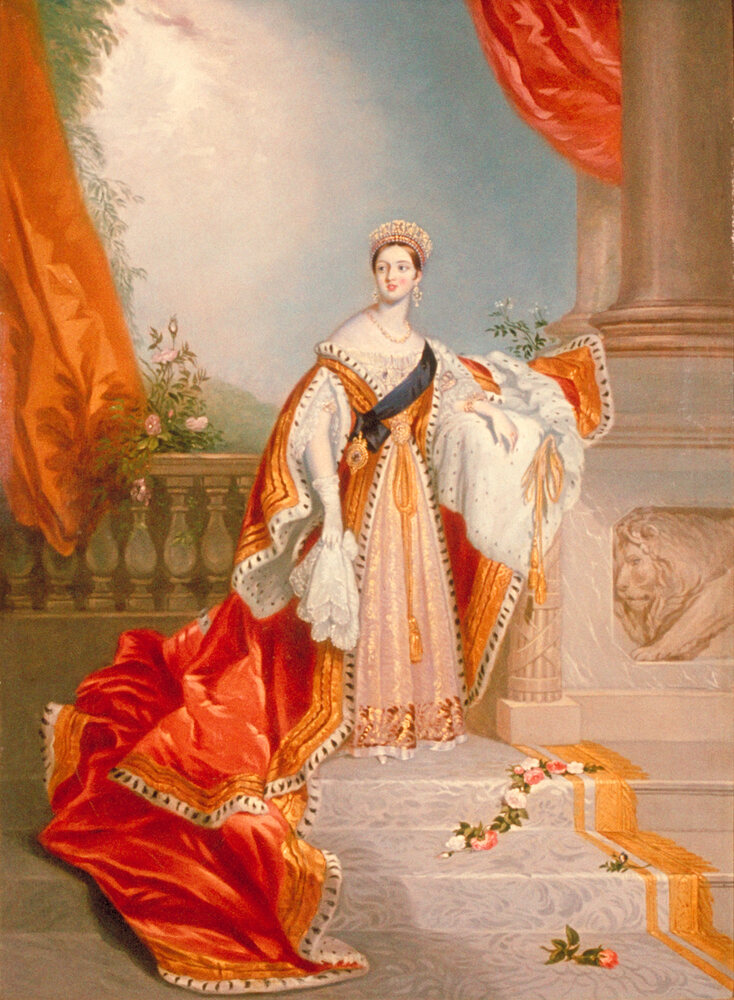
Queen Victoria reigned from 1837 to 1901. During this period the expanded, while industrial production, railways, and international trade grew. The of 1851 in London displayed products and inventions from Britain and around the world.
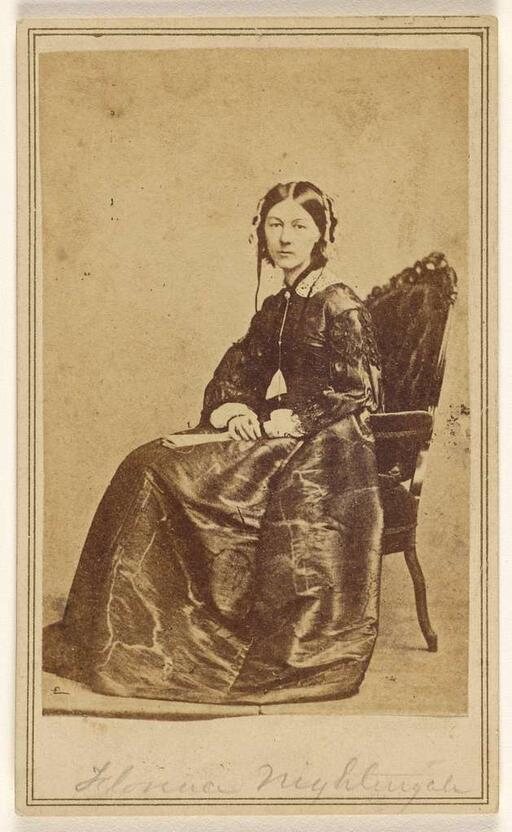
The period also saw social and political change. Florence Nightingale became known for her nursing work during the Crimean War. The Great Famine in Ireland had devastating effects, while campaigns for political reform and women’s voting rights continued.
Victoria’s reign lasted from 1837 to 1901. The took place in 1851 at the in Hyde Park, London, during her reign. It displayed machinery, manufactured goods, and art from many countries.
The Great Famine in Ireland followed potato-crop failures in the 1840s. Around a million people died and many more emigrated. The Crimean War lasted from 1853 to 1856. Florence Nightingale improved nursing and hospital care for soldiers; Mary Seacole also cared for soldiers during the war.
Political rights expanded in stages. The Reform Act of 1832 extended the vote to more men and changed parliamentary representation. The Second Reform Act in 1867 brought more working-class men into the electorate. Women still could not vote in parliamentary elections. Emmeline Pankhurst later became a leading campaigner for women’s suffrage.
The expanded during the nineteenth century through colonial rule. Britain exercised power over colonies with unequal political status. Trade and industrial wealth grew alongside exploitation, resistance to colonial rule, and inequalities within Britain.
Free-trade policies reduced barriers to imports. Repeal of the Corn Laws in 1846 allowed cheaper grain into Britain. In 1847 legislation limited the working day of women and children in factories to ten hours. Victorian Britain produced more than half the world’s iron, coal and cotton cloth. Financial services, including banking and insurance, also grew.
Britain, France and Turkey fought Russia in the Crimean War of 1853–1856. News reports and photographs brought its conditions to the public. Queen Victoria introduced the Victoria Cross to honour acts of valour. Florence Nightingale improved military hospital care and in 1860 founded a nurse-training school at St Thomas’ Hospital in London.
Ireland’s potato-crop failures in the 1840s caused famine, killing about a million people and driving large-scale emigration. Fenians wanted complete Irish independence. Charles Stuart Parnell supported Home Rule: Ireland would remain in the UK with its own parliament. These were different proposals for Ireland’s future.
Before reform, a married woman’s property and earnings normally passed to her husband. Acts in 1870 and 1882 gave wives rights to retain earnings and property. Women’s campaigns for greater legal and political rights continued into the twentieth century.
The grew to encompass over 400 million people. Between 1853 and 1913 about 13 million British citizens left the country, many going to the United States, Canada, Australia or New Zealand. Around 120,000 Russian and Polish Jews came to Britain between 1870 and 1914 to escape persecution. These are historical migration estimates. The Boer War of 1899–1902 was fought against settlers of Dutch origin in South Africa. Its casualties and costs intensified debate about the Empire’s future.
Isambard Kingdom Brunel designed the Great Western Railway. It ran from Paddington Station in London towards south-west England, the Midlands and Wales. He also designed bridges, tunnels and ocean-going steamships. His railway work is distinct from Richard Trevithick’s early locomotive and the Stephensons’ Rocket.
Rudyard Kipling was born in India and wrote fiction and poetry. His books include The Jungle Book and the Just So Stories. His poem If is often quoted for its advice about self-control and perseverance. He received the Nobel Prize in Literature in 1907.
Practise event order