The lesson
William Shakespeare was born in Stratford-upon-Avon. His birthplace is in Warwickshire; he worked in the theatre in London. He wrote plays including Hamlet, Macbeth and Romeo and Juliet.
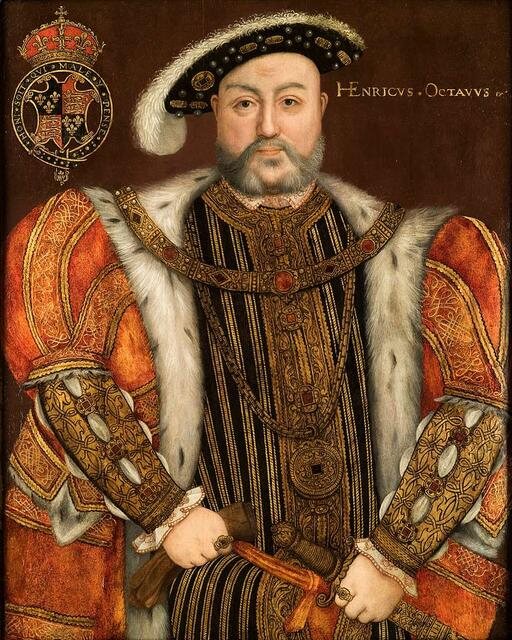
The Tudor period began after Henry VII won the Battle of Bosworth in 1485. Henry VIII broke with the authority of the Pope in the 1530s and established royal authority over the Church in England. Religious policy changed again under later Tudor monarchs.
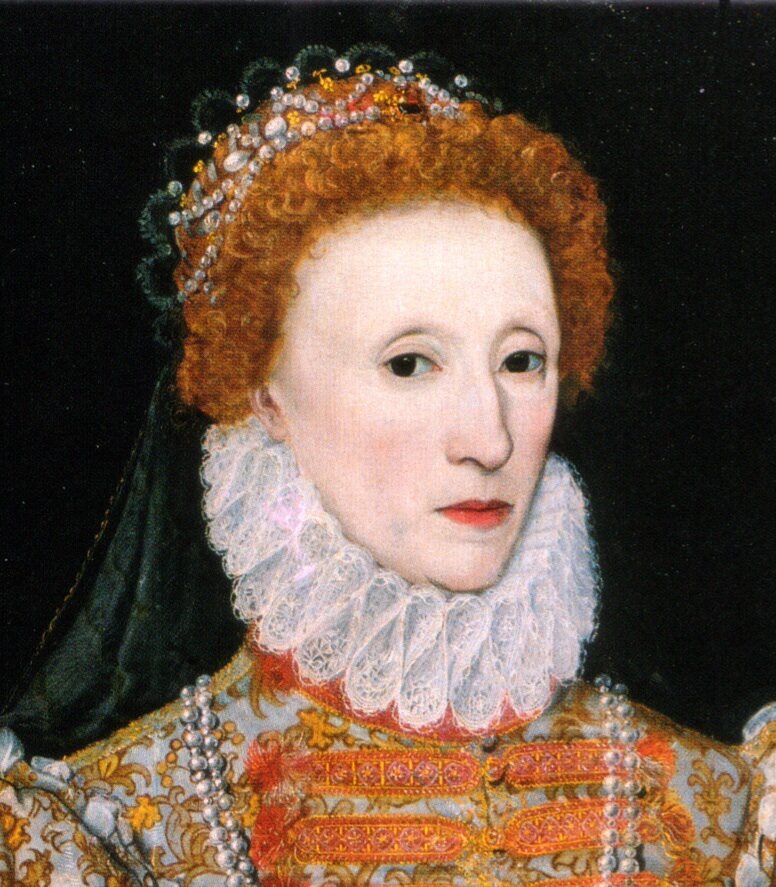
Elizabeth I’s reign included overseas voyages, the defeat of the Spanish Armada in 1588 and the plays of William Shakespeare. Sir Francis Drake was one of the explorers of the period.
The Tudor sequence is Henry VII → Henry VIII → Edward VI → Mary I → Elizabeth I. Henry VII defeated Richard III at Bosworth in 1485. Henry VIII ruled from 1509; his break with Rome and the Act of Supremacy in 1534 made royal authority central to the English Reformation.
Edward VI supported Protestant reforms. Mary I tried to restore Catholicism. Elizabeth I established a Protestant settlement after becoming queen in 1558. Religious change therefore did not happen in one step: it changed direction under successive rulers.
The Spanish Armada attempted an invasion in 1588 and was defeated. Francis Drake was a sea captain and explorer who sailed around the world. William Shakespeare wrote plays and poetry during this period; his plays include Hamlet, Macbeth, and A Midsummer Night’s Dream. Shakespeare is associated with Stratford-upon-Avon and the Globe theatre in London.
Elizabeth died in 1603 without a child to succeed her. James VI of Scotland became James I of England. The kingdoms shared a monarch from 1603 and remained separate states until the Acts of Union created Great Britain in 1707.
Henry VIII’s wives in order were Catherine of Aragon, Anne Boleyn, Jane Seymour, Anne of Cleves, Catherine Howard and Catherine Parr. Catherine of Aragon was Mary I’s mother; Anne Boleyn was Elizabeth I’s mother; Jane Seymour was Edward VI’s mother. Anne Boleyn and Catherine Howard were executed. Jane Seymour died after childbirth. Henry’s marriage to Anne of Cleves ended shortly after it began, and Catherine Parr survived him.
Protestant reformers challenged the Pope’s authority and promoted reading the Bible in local languages. Under Henry VIII the Act for the Government of Wales united Wales with England and brought Welsh representatives into the Commons. The Book of Common Prayer was produced under Edward VI. Mary I restored Catholic worship and persecuted Protestants. Scotland’s Parliament rejected papal authority in 1560. Mary, Queen of Scots was Catholic; she later fled to England and was imprisoned and executed after accusations of plotting against Elizabeth I. Her son James VI was Protestant.
Francis Drake’s ship the Golden Hind sailed around the world. English sea captains explored overseas and attacked Spanish ships as privateers. English colonisation in North America expanded during the Elizabethan and Stuart periods, including settlements in Virginia. Under James I a new English Bible translation was produced, called the King James Version or Authorised Version. In Ireland the Crown encouraged English and Scottish Protestant settlements on land taken from Catholic landholders; these were called plantations, especially in Ulster.
John Knox led the Protestant Reformation in Scotland. He promoted a Church governed by ministers and elders rather than bishops. Scotland’s Parliament abolished the Pope’s authority in 1560. The Scottish Church’s Presbyterian structure differed from the Church of England, which retained bishops.
Several familiar phrases come from Shakespeare’s plays. “Once more unto the breach” is from Henry V; “To be or not to be” is from Hamlet. “A rose by any other name” comes from Romeo and Juliet, and “All the world’s a stage” from As You Like It. “Shall I compare thee to a summer’s day?” opens Sonnet 18. His plays also include A Midsummer Night’s Dream, Macbeth and Othello.
Henry VII strengthened the monarchy after the Wars of the Roses and improved royal finances. Henry VIII wanted to end his marriage to Catherine of Aragon, who had not given him a surviving son. When the Pope would not annul it, Henry broke with papal authority and made himself head of the Church of England. His marriages were also questions of succession and royal power, not simply a list of six names.
Tudor monarchs oldest first
- Henry VIIBosworth, 1485
- Henry VIIIbreak with Rome
- Edward VIProtestant
- Mary ICatholic
- Elizabeth IArmada, 1588
- James VI and I1603
Henry VIII’s wives oldest first
- Catherine of Aragondivorced
- Anne Boleynbeheaded
- Jane Seymourdied
- Anne of Clevesdivorced
- Catherine Howardbeheaded
- Catherine Parrsurvived