History of the UK
How people, rulers and events changed Britain over time.
Start here- 01
Prehistoric Britain
Early communities moved from hunting and gathering towards farming and permanent settlement. Stonehenge and Skara Brae are important archaeological sites. In the Bronze and Iron Ages, metalworking, hill forts, trade, and coin use show how society was changing.
- 02
Roman Britain
Julius Caesar’s earlier invasions did not establish lasting Roman rule. Emperor Claudius led a successful invasion in AD 43; the Romans built roads, towns, forts, and Hadrian’s Wall, and Boudicca led a major revolt. The army left Britain in AD 410.
JC55 and 54 BCECAD 43BAD 60–61 - 03
Anglo-Saxons and Vikings
After the Roman withdrawal, Angles, Saxons, and Jutes formed kingdoms that shaped early English language and government. Christian missionaries travelled from Ireland and Rome. Viking raids and settlement later changed power in England and Scotland; Alfred the Great resisted Viking expansion in England.
SCAD 563SAAD 597KMc. 843AG871–899C1016–1035 - 04
The Norman Conquest
In 1066 William, Duke of Normandy, defeated Harold at Hastings and became king. Norman rule reorganised landholding and government, while Norman French influenced English. William also ordered the Domesday survey, a record of land, people, and property across England.
KH1066WC1066 - 05
Medieval rule and the Black Death
Medieval Britain saw conflict between rulers and the people they governed. , agreed in 1215, became a landmark in the idea that the king was subject to law; Parliament developed over time. The Black Death reached Britain in 1348, causing severe loss of life and changes to work and society.
KJ1215EI1284RB1314RI1485GCMedieval - 06
Tudors, religion, and exploration
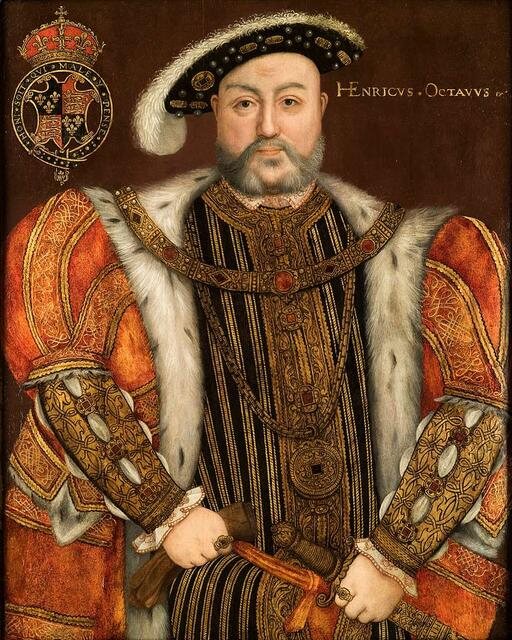
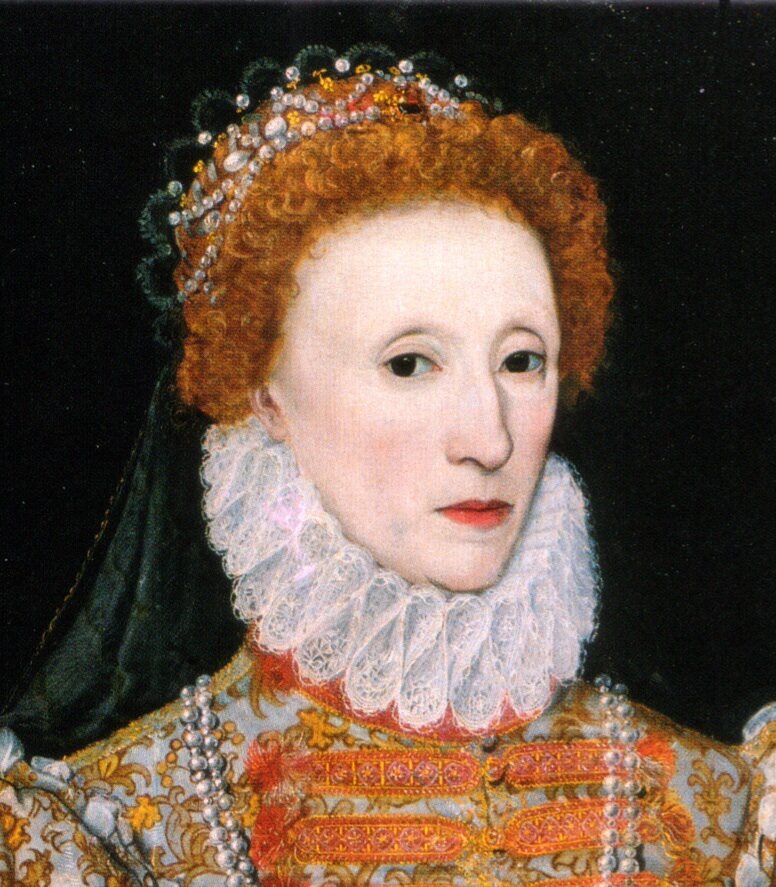
Henry VIII broke with Rome and established the Church of England after the pope refused to annul his marriage. Religious policy shifted under later Tudor monarchs. Elizabeth I’s reign is associated with overseas voyages, Shakespeare’s writing, and the defeat of the Spanish Armada in 1588.
 HV1485EV1547–1553MI1553–1558
- 07
Civil War and constitutional change
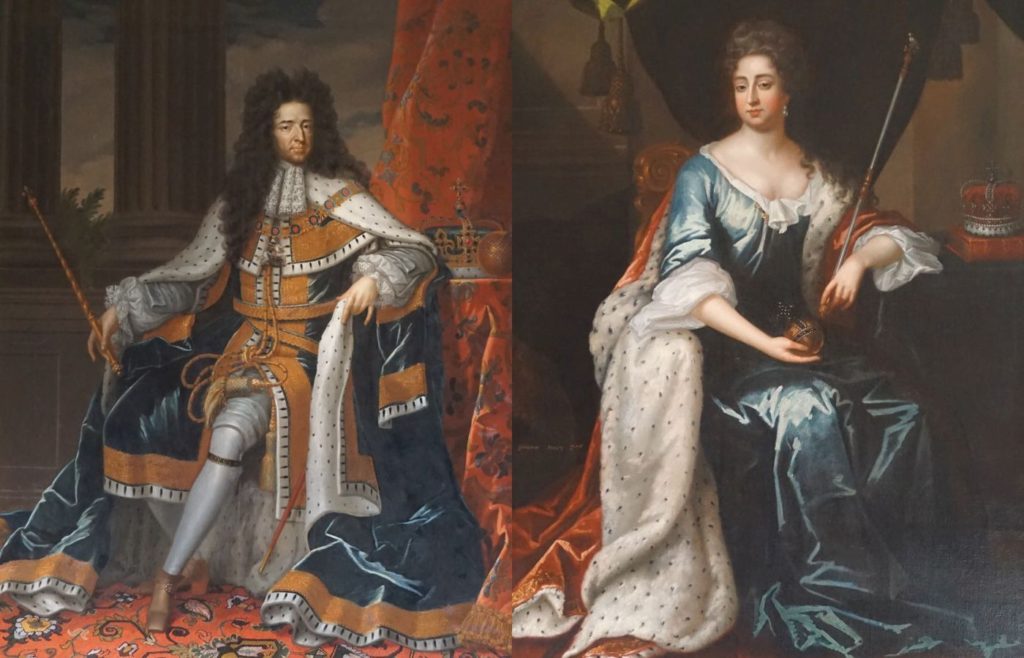
Arguments over the king’s authority and Parliament’s powers led to civil war. Charles I was executed in 1649, and England became a republic under Oliver Cromwell; the monarchy returned in 1660. The later of 1689 reinforced Parliament’s position and limited royal power.
 CI1649OC1649CI1660JI1688
- 08
Union and industrial change
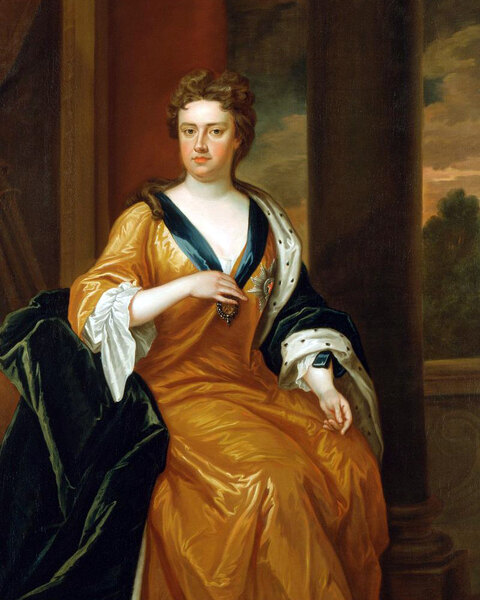
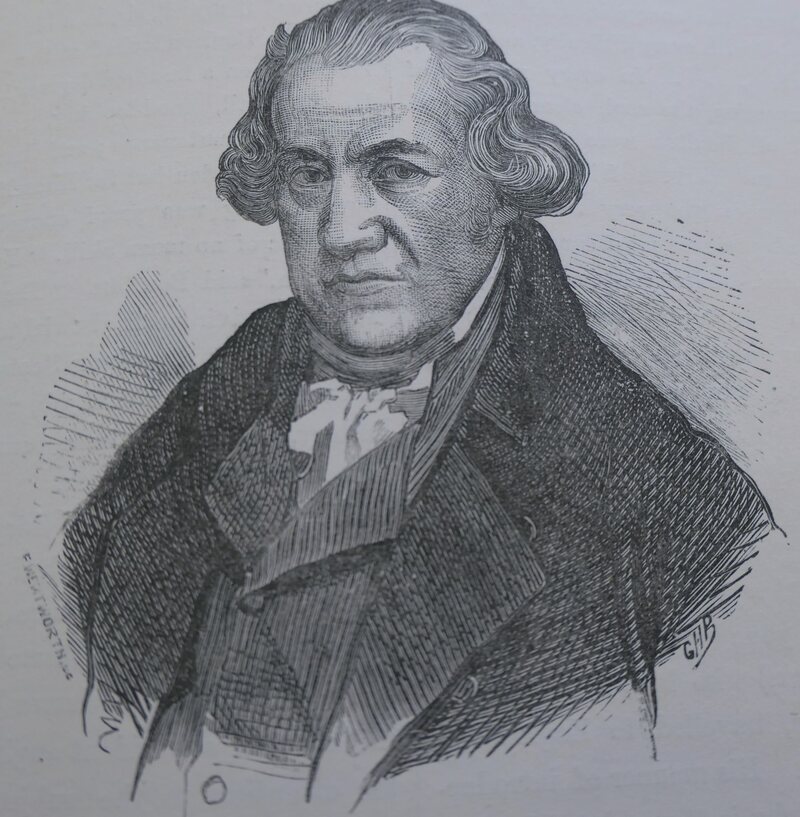
The Acts of Union in 1707 formed the Kingdom of Great Britain, while Scotland kept separate legal and religious institutions. Later, the brought steam power, machinery, canals, and railways into production and transport. Factory growth changed where people worked and how towns developed.
 BP1745RW1721DHEnlightenment
- 09
The slave trade and abolition
Parliament abolished the British slave trade in 1807. The 1833 Emancipation Act ended slavery across most of the .
WW1807OEAbolition - 10
Victorian Britain
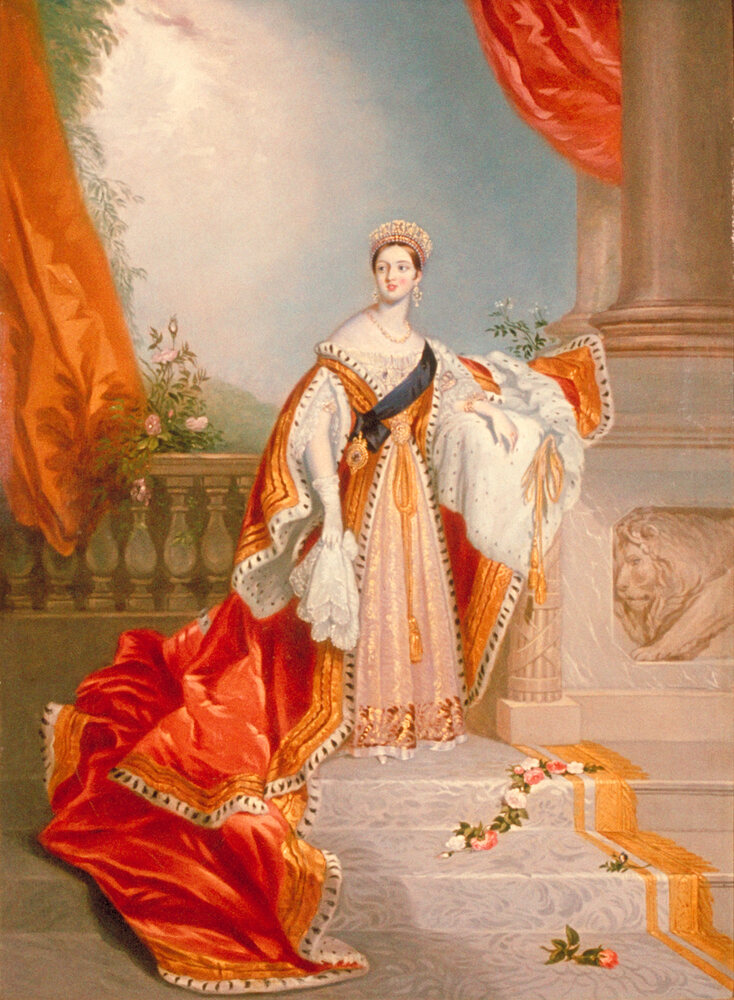
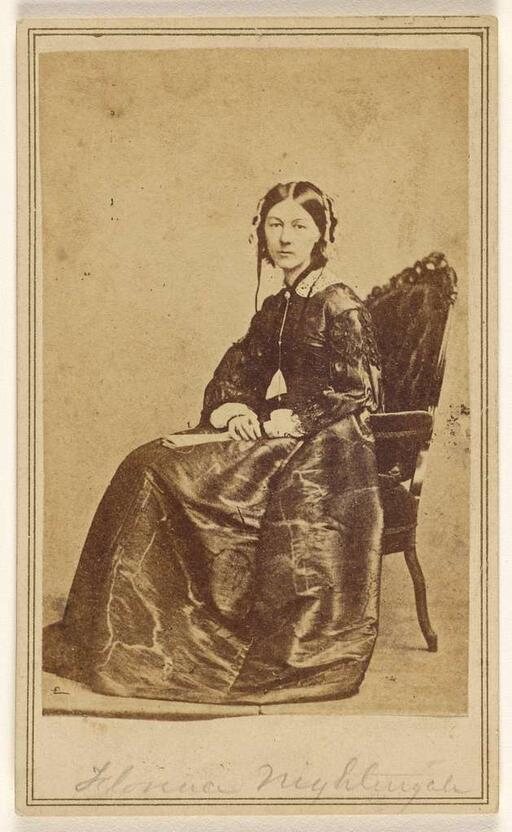
During Queen Victoria’s reign, industrial production, railways, trade, and the expanded. The Crimean War, Florence Nightingale’s nursing reforms, the Great Famine in Ireland, and debates about the Empire also shaped the period.
 MS1853–1856IKGreat Western RailwayRK1907
- 11
The world wars
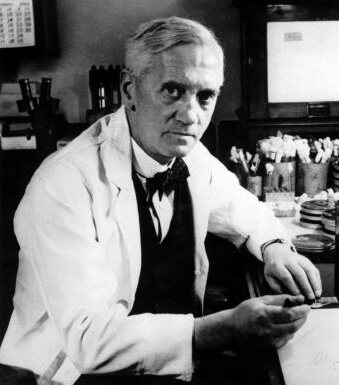
The First World War ran from 1914 to 1918. The Second World War included the Battle of Britain and the Blitz, before victory with the Allies in 1945. Winston Churchill led the wartime government, and Alexander Fleming discovered penicillin.
 WC1940
- 12
Britain after 1945
Clement Attlee’s post-war government created the NHS in 1948 and expanded social security. Decolonisation, migration from the Caribbean and South Asia, new equal-rights laws, and technological advances changed British society. Later developments included economic shifts under Margaret Thatcher and the creation of devolved institutions.
WB1942RA1944CA1945–1951AB1948MT1979 - 13
Inventors and discoveries
Richard Trevithick and George and Robert Stephenson pioneered steam locomotives. Alexander Fleming discovered penicillin; Howard Florey and Ernst Chain helped develop it into a usable medicine.
IN1687RT1804GR1829