People to remember

Read each profile. Then choose Test your memory. Name the person and what they did. Reveal the answer to check.

RA19441944
History

Richard Austen Butler

Education Act: free secondary education in England and Wales

Richard Austen Butler, also known as R. A. Butler, R A Butler or Rab Butler, was a Conservative politician responsible for education in the wartime government. He oversaw the Education Act 1944, often called the Butler Act. It introduced free secondary education in England and Wales and established a clear division between primary and secondary education. Butler’s association is education reform; Beveridge’s is the welfare report; Attlee led the post-war government; Bevan established the NHS as Health Minister.

Memory tip Butler → school books → free secondary education → 1944.
WB19421942
History

William Beveridge

Beveridge Report: social insurance and welfare proposals

William Beveridge was an economist and social reformer. His 1942 report, Social Insurance and Allied Services, became known as the Beveridge Report. It proposed a system of social insurance and action against five problems: Want, Disease, Ignorance, Squalor and Idleness. These meant poverty, ill health, lack of education, poor housing and unemployment. His proposals helped shape Attlee’s post-war welfare state.

Memory tip Beveridge → a report and a plan → 1942; Bevan → NHS → 1948.

CA1945–19511945–1951
History

Clement Attlee

Led the post-war Labour government and its welfare reforms

Clement Attlee led Labour to victory in the 1945 general election and served as Prime Minister until 1951. He had been Churchill’s Deputy Prime Minister in the wartime coalition. His government expanded social security and brought major industries and utilities into public ownership, including coal, railways and electricity. The NHS opened in 1948, with healthcare free at the point of use. Health Minister Aneurin (Nye) Bevan led its establishment.

Memory tip Attlee → after the war → Labour government, welfare state and NHS.

DTWelsh literatureWelsh literature
Science & culture

Dylan Thomas

Under Milk Wood; Do Not Go Gentle into That Good Night

Dylan Thomas was a Welsh poet and writer born in Swansea. He wrote the radio play Under Milk Wood and the poem Do Not Go Gentle into That Good Night. He performed his writing in public and for BBC broadcasts. His work is an important Welsh contribution to English-language literature, and the Dylan Thomas Centre in Swansea commemorates him.

Memory tip Dylan Thomas → Swansea, Wales → the voices of Under Milk Wood.

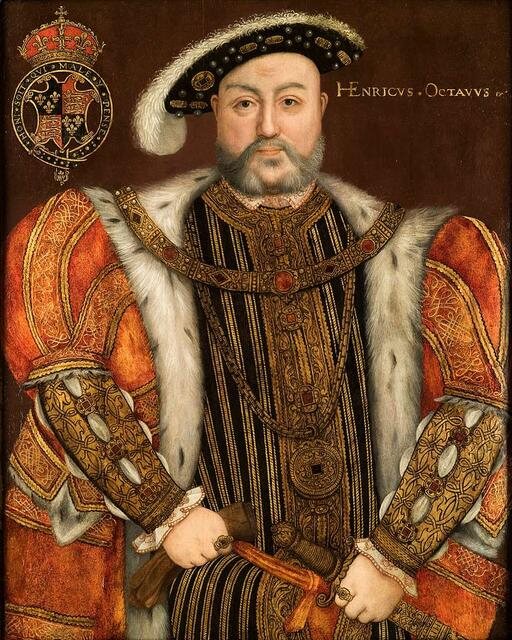
Portrait of Henry VIII1534
History

Henry VIII

Royal supremacy over the Church of England

Henry VIII ruled from 1509 to 1547. His break with Rome ended the Pope’s authority over the Church in England. The Act of Supremacy in 1534 recognised the king as its supreme head. He had six wives; his children Edward VI, Mary I, and Elizabeth I each later ruled.

Memory tip Henry VIII → break with Rome → 1534. Henry VII → Bosworth → 1485.

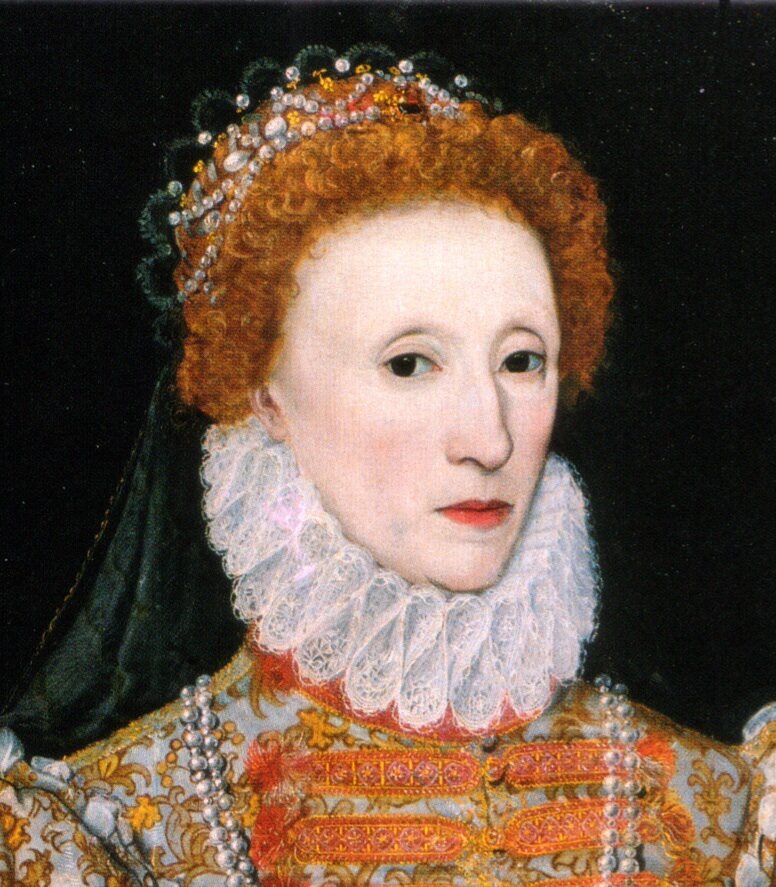
Portrait of Elizabeth I1588
History

Elizabeth I

The Spanish Armada was defeated during her reign

Elizabeth I, daughter of Henry VIII and Anne Boleyn, ruled from 1558 to 1603. She restored Protestantism as the established religion in England. Her reign included the defeat of the Spanish Armada in 1588, voyages by Francis Drake, and the work of William Shakespeare. She was the last Tudor monarch.

Memory tip Elizabeth I → Armada → 1588. Her successor in 1603 was James VI of Scotland, also James I of England.

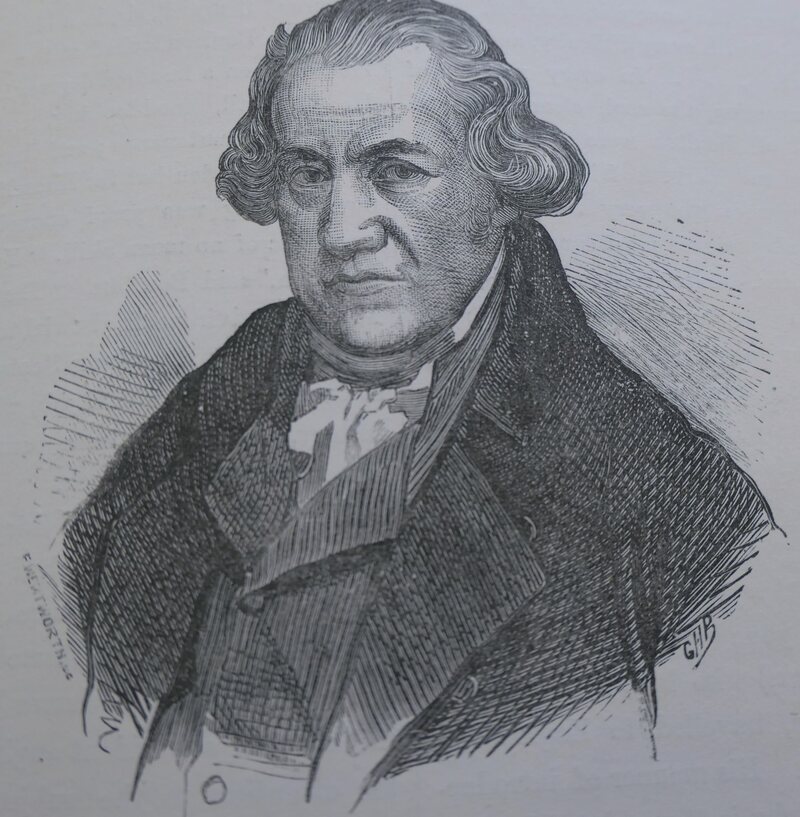
Portrait of James WattSteam power
Science & culture

James Watt

Improved the steam engine

The Scottish engineer James Watt developed improvements that made steam engines more efficient and useful in industry. Steam power helped factories expand. Richard Trevithick built the first successful steam locomotive to haul a load on rails in 1804; Rocket followed in 1829.

Memory tip Watt → improved engine. Trevithick → 1804 locomotive. Stephenson → 1829 Rocket.

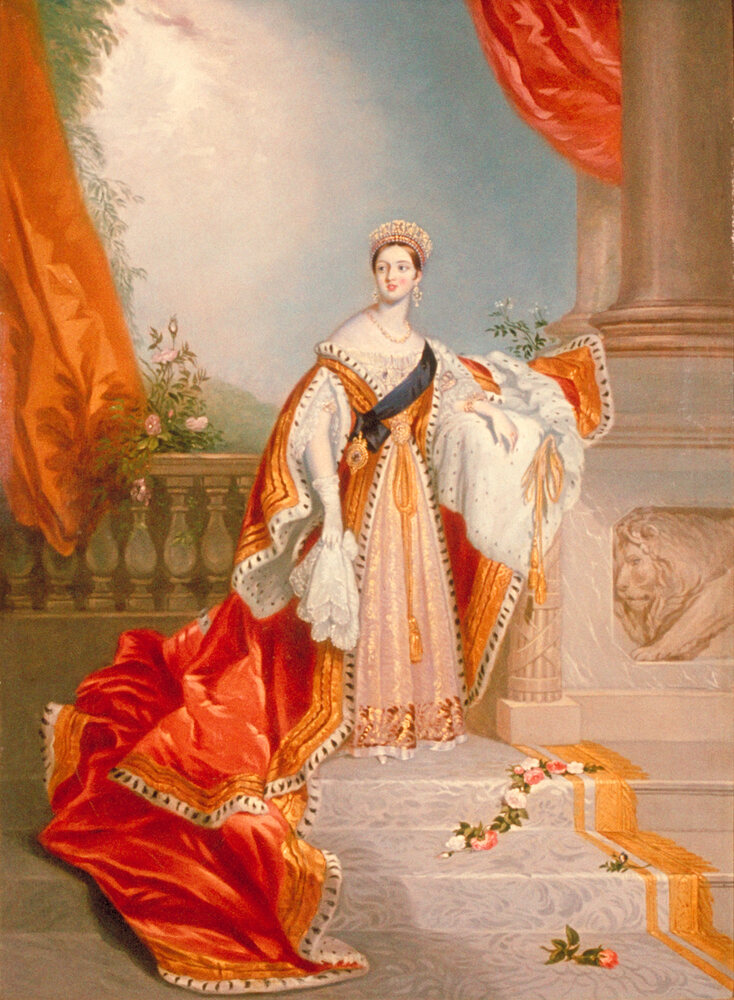
Portrait of Queen Victoria1837–1901
History

Queen Victoria

The Victorian Age

Victoria became queen in 1837 and reigned until 1901. Her reign saw industrial expansion, railways, the of 1851, and the growth of the . Britain also experienced major inequality, political reform, and campaigns for women’s rights.

Memory tip Victoria → 1837 to 1901. Place the , 1851, inside that reign.

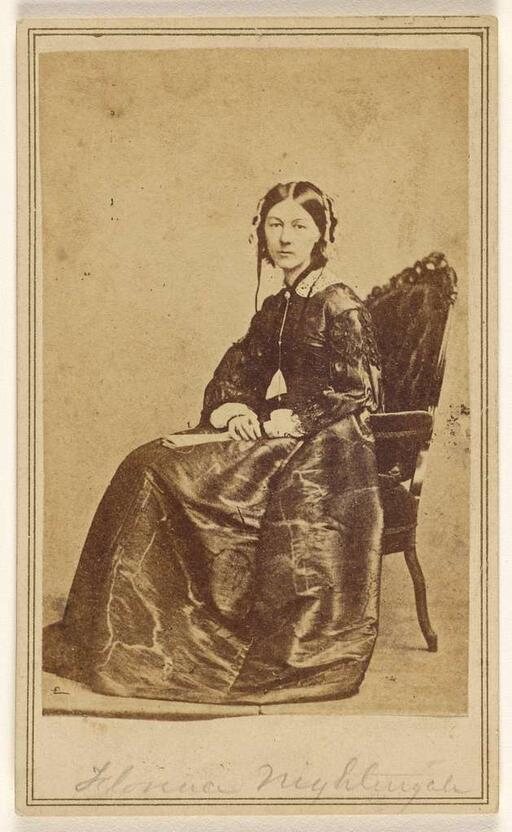
Portrait of Florence Nightingale1854
History

Florence Nightingale

Nursing during the Crimean War

Florence Nightingale led nurses caring for British soldiers in Turkey during the Crimean War. She worked to improve hospital conditions and became a leading figure in modern nursing. Her use of evidence and statistics helped support health reforms. The Crimean War lasted from 1853 to 1856.

Memory tip Nightingale → nursing → Crimean War, 1853–1856.

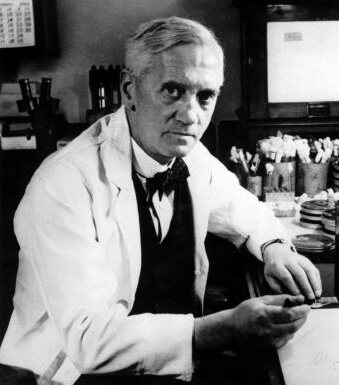
Portrait of Alexander Fleming1928
Science & culture

Alexander Fleming

Discovered penicillin in 1928

The Scottish scientist Alexander Fleming discovered penicillin in 1928. Howard Florey and Ernst Chain later helped develop it into a practical medicine, with mass production during the 1940s. All three shared the Nobel Prize in Physiology or Medicine in 1945.

Memory tip Fleming → discovery in 1928. Fleming + Florey + Chain → Nobel Prize in 1945. The NHS began later, in 1948.

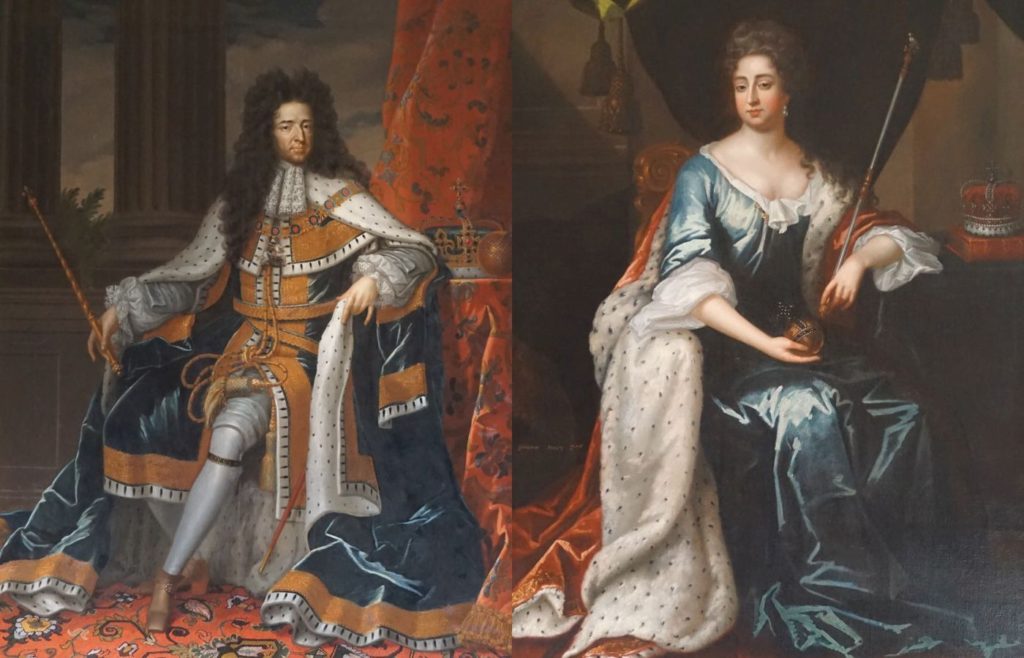
Portrait of William III and Mary II1688
History

William III and Mary II

Took the throne in the Glorious Revolution

In 1688 James II was displaced and his Protestant daughter Mary and her Dutch husband, William of Orange, took the throne together as William III and Mary II. The of 1689 confirmed Parliament’s rights and limits on royal power. In 1690 William defeated James II at the Battle of the Boyne in Ireland.

Memory tip 1688 throne → 1689 → 1690 Boyne. William and Mary were husband and wife.

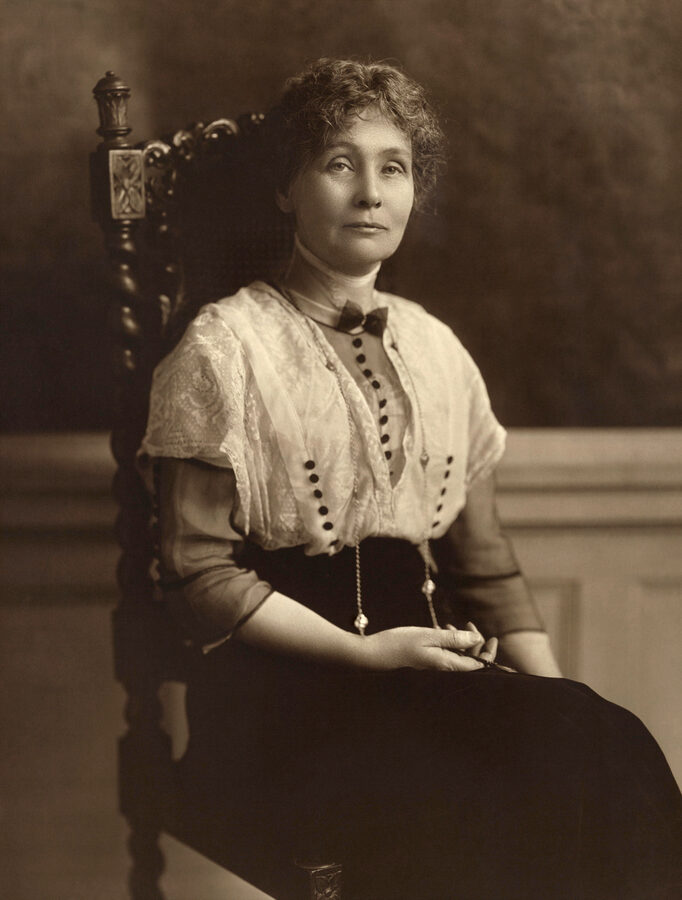
Portrait of Emmeline Pankhurst1928
History

Emmeline Pankhurst

Suffragette campaigner; equal voting rights at 21 in 1928

Emmeline Pankhurst was a leading suffragette campaigner for women’s votes. She helped set up the Women’s Franchise League in 1889 and co-founded the Women’s Social and Political Union () in 1903. In 1918 some women aged 30 and over who met qualifying conditions gained the vote. Parliament’s Equal Franchise Act of 1928 gave women equal voting rights with men at age 21.

Memory tip Pankhurst → → 1928: equal voting rights at 21.

Portrait of Tanni Grey-Thompson16 medals
SportWheelchair athletics

Tanni Grey-Thompson

16 Paralympic medals, including 11 golds

Baroness Tanni Grey-Thompson is an athlete who uses a wheelchair. She won 16 Paralympic medals, including 11 gold medals, and won the London Marathon six times.

Memory tip Grey-Thompson → 16 medals, 11 gold → six London Marathons.

Portrait of Chris Hoy6 Olympic golds
SportCycling

Chris Hoy

Six Olympic gold medals and one silver in track cycling

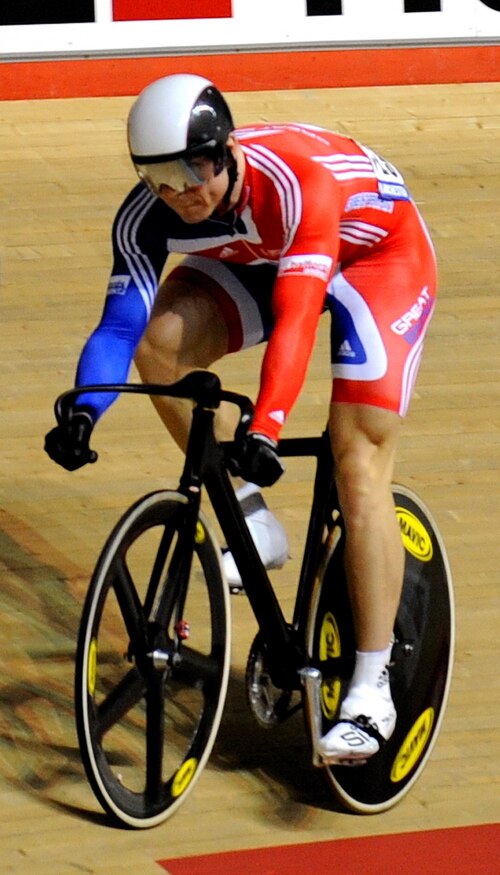
Sir Chris Hoy is a Scottish track cyclist who has won six Olympic gold medals and one silver Olympic medal. He has also won 11 world championship titles.

Memory tip Hoy → track cycling → six Olympic golds, one Olympic silver, 11 world titles.

Wheelchair racingDW6 golds6 golds
SportWheelchair racing

David Weir

Six Paralympic golds over two Games

David Weir is a wheelchair racer who won six gold medals over two Paralympic Games and eight London Marathon wheelchair titles. His London Marathon wins were between 2002 and 2018.

Memory tip Weir → wheelchair racing → six Paralympic golds, eight London Marathon wins. Tanni Grey-Thompson won London six times.