The lesson
For much of the nineteenth century, voting was restricted, including by property qualifications. The Chartists campaigned for reforms such as secret ballots and wider voting rights. Their demands helped shape later democratic change.
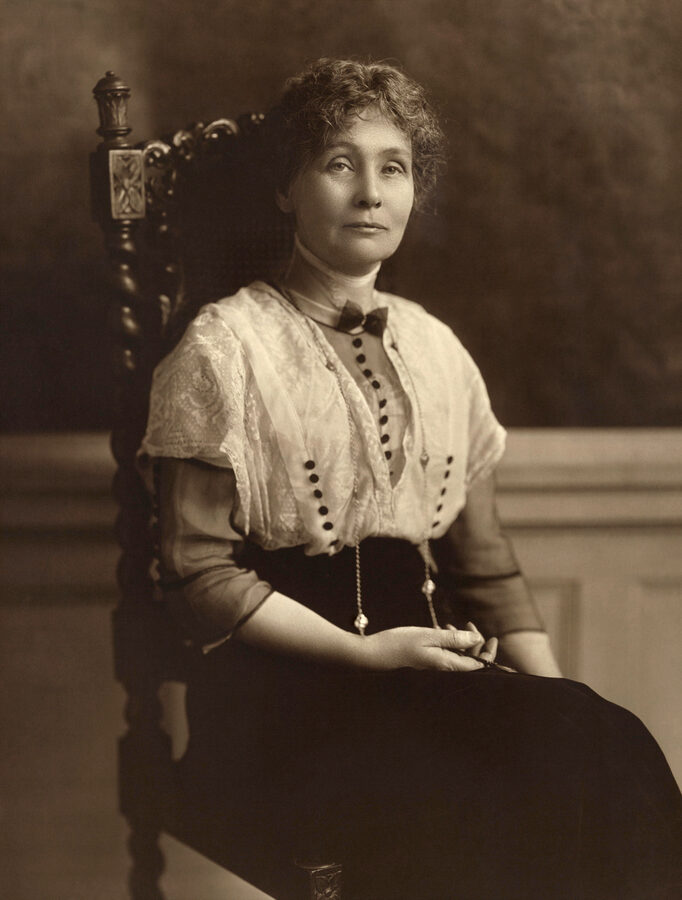
Emmeline Pankhurst was a leading suffragette campaigner. She co-founded the Women’s Social and Political Union () in 1903. In 1918 some women aged 30 and over who met qualifying conditions gained the vote. Parliament’s Equal Franchise Act of 1928 gave women equal voting rights at age 21, on the same terms as men. In 1969 the UK parliamentary voting age was lowered to 18.
Register to vote through GOV.UK or use a paper application sent to your electoral registration office. Registration is individual: you are not automatically registered just because you pay council tax. You normally register once, then register again if your name, address or nationality changes.
For UK parliamentary elections, voters must be aged 18 or over, registered and meet the nationality rules: British citizens, Irish citizens and qualifying Commonwealth citizens can vote if otherwise eligible. “Qualifying” means meeting the applicable immigration-status requirements; Commonwealth citizenship alone is not enough. Eligibility differs for devolved and local elections.
Polling stations are normally open from 7am to 10pm. Your poll card tells you where to vote, but you do not need to take the card with you. Photo ID is required when voting in person in UK parliamentary elections; ID rules for other elections vary by nation and type of election.
The reforms of 1832 and 1867 expanded the male electorate. In 1918 voting rights extended to men aged 21 and over and some women aged 30 and over who met qualifying conditions. Parliament’s Equal Franchise Act of 1928 gave women equal voting terms at 21. In 1969 the UK parliamentary voting age was lowered to 18.
Emmeline Pankhurst was a leading suffragette campaigner and co-founded the Women’s Social and Political Union () in 1903. used militant tactics in their campaign for women’s votes. Suffragists campaigned through constitutional methods.
The Chartists campaigned in the 1830s and 1840s for votes for all men, annual parliamentary elections, equal electoral areas, secret ballots, the removal of property qualifications for MPs and payment for MPs. Most demands later became part of the political system. Annual parliamentary elections were never adopted.
At a polling station voters receive a ballot paper and mark it privately, following its instructions, before putting it into the ballot box. Nobody is entitled to force a person to vote for a particular candidate. Eligible voters can apply to vote by post if they prefer or cannot attend. Standing for Parliament has separate nationality and disqualification rules; the minimum age is 18. Civil servants and members of the armed forces are among groups restricted from standing as MPs.
Dates to keep separate
A partial vote, then an equal vote.
Memory tip: 1918 → some women at 30. 1928 → equal voting rights at 21.