Government, law, and everyday responsibilities
How voting, government, courts and local services work.
Start here- 01
Voting rights changed over time
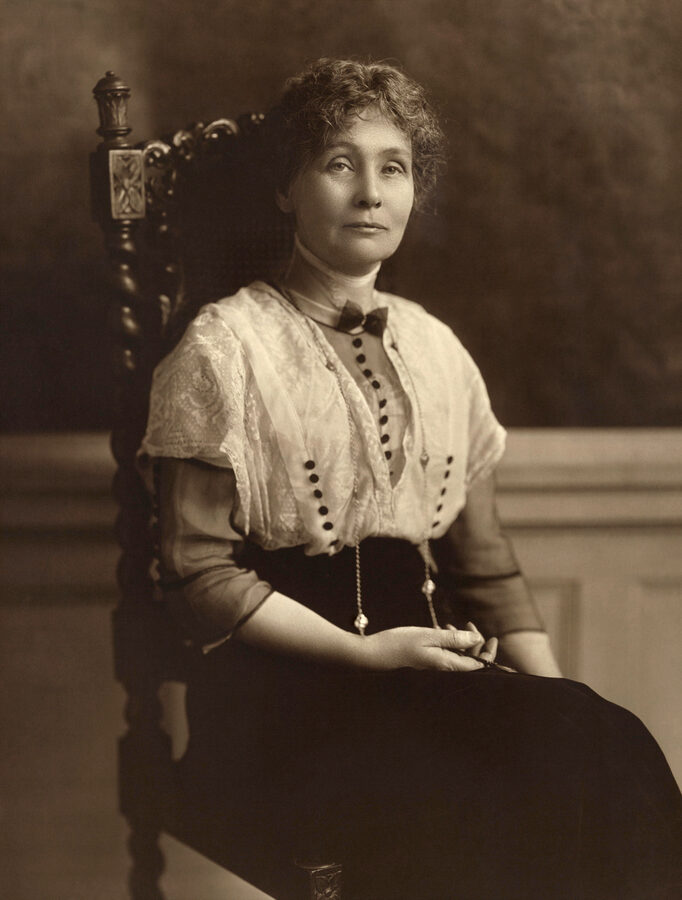
Voting rights expanded through Chartist campaigns and later reforms. Emmeline Pankhurst was a leading suffragette campaigner. In 1918 some women aged 30 and over who met qualifying conditions gained the vote. Parliament’s Equal Franchise Act of 1928 gave women equal voting rights with men at 21. In 1969 the UK parliamentary voting age was lowered to 18.
- 02
The British constitution
The UK does not have one single document containing its whole constitution. Constitutional rules come from legislation, court decisions, conventions, and the roles of institutions. This arrangement developed over centuries rather than being created all at once.
- 03
The monarch
The monarch is the UK’s head of state and performs constitutional and ceremonial duties, including opening Parliament. The monarch is politically neutral; day-to-day policy is set by the elected government led by the Prime Minister.
- 04
Parliament
The House of Commons is made up of elected MPs and is the main chamber for debating and passing legislation. The House of Lords examines and revises bills. The Speaker chairs Commons debates, while the opposition questions and challenges the government.
- 05
Government and public services
The Prime Minister leads the government and selects senior ministers for the cabinet. The opposition and shadow cabinet scrutinise government decisions; the civil service supports the work of government. Local councils manage local services and represent communities.
- 06
Devolution
Scotland, Wales, and Northern Ireland each have devolved institutions that decide some domestic matters. The UK government retains responsibility for areas such as defence and foreign affairs, while responsibilities for services such as health and education vary by nation.
- 07
Rights, law, and courts
The rule of law means the law applies to people and institutions. Criminal courts deal with alleged offences; civil courts resolve disputes such as housing or debt claims. Judges are independent of government, and court structures differ across the UK.
- 08
Tax, driving, and everyday duties
Civic responsibilities include paying tax and National Insurance, following road rules, and treating other people fairly. Tax rates, licensing requirements, and other administrative details can change, so use current GOV.UK guidance before acting.
- 09
The UK and international organisations
The Commonwealth, United Nations, Council of Europe, and NATO have different roles in cooperation, human rights, and collective security. The UK has left the European Union; check current official sources for up-to-date membership and policy details.
- 10
Contributing to community and environment
Community participation can mean helping in schools, supporting hospitals or youth projects, serving on a jury, joining local groups, or donating blood or organs. Everyday environmental choices include recycling, shopping locally, walking, and using public transport.