The lesson
Conflict between Charles I and Parliament led to civil war in 1642. Parliament’s supporters defeated the king’s forces; Charles I was executed in 1649, and England became a republic under Oliver Cromwell. The monarchy returned in 1660 when Charles II came to the throne.
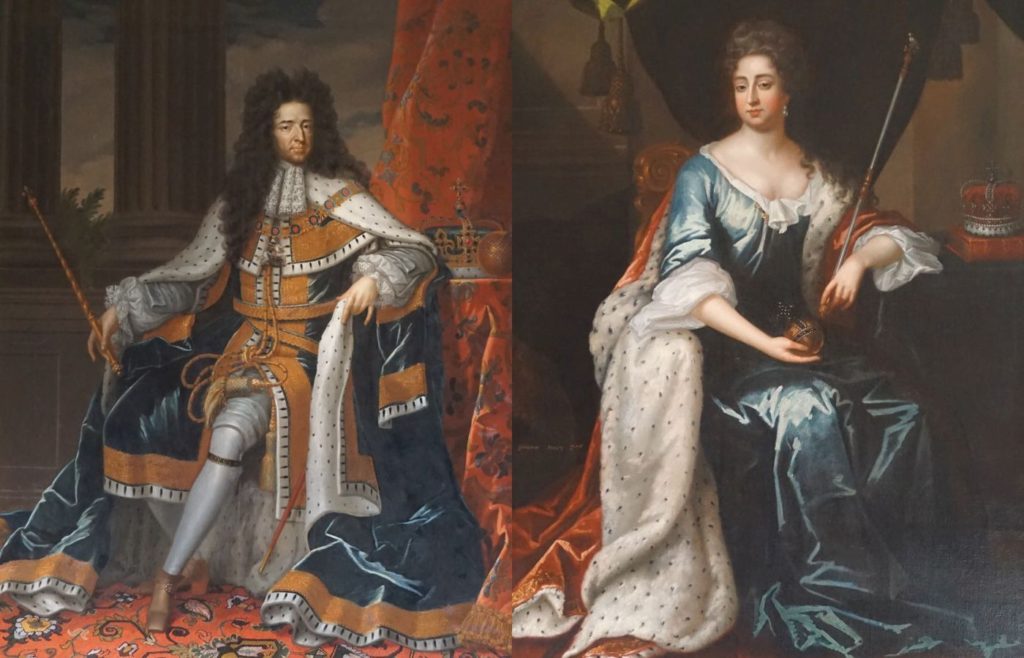
In 1688, leading Protestants invited William of Orange, the Protestant ruler of the Netherlands, to come to England. James II fled. William became William III of England and ruled jointly with his wife, Mary II. The took place in 1688; William and Mary accepted the throne in 1689. The became law in 1689 and confirmed Parliament’s rights and limits on royal power.
James I was followed by Charles I. Disputes over religion, money, and the king’s power brought Charles into conflict with Parliament. Charles recalled Parliament in 1640; civil war began in 1642. Royalists supported the king; Parliamentarians opposed his rule. Oliver Cromwell became a leading Parliamentarian commander.
Charles I was executed in 1649. England then became a republic, and Cromwell later ruled as Lord Protector. In 1660 the monarchy was restored under Charles II. The Restoration was the return of the monarchy.
Two London disasters followed: the Great Plague in 1665 and the Great Fire in 1666. Samuel Pepys recorded these events in his diary. The Habeas Corpus Act of 1679 strengthened protection against unlawful imprisonment.
James II succeeded Charles II. In the of 1688, James was displaced by William of Orange and Mary. The followed in 1689, strengthening Parliament and restricting royal power. William defeated James at the Battle of the Boyne in 1690. The sequence is 1688 revolution → 1689 rights → 1690 battle.
James I and Charles I believed in the Divine Right of Kings: royal authority came from God. Charles ruled without Parliament for eleven years, then recalled it in 1640 to raise money amid conflict with Scotland. Puritans favoured simpler Protestant worship. In the Civil War, Cavaliers supported the king and Roundheads supported Parliament. Royalist defeats at Marston Moor and Naseby helped Parliament win. Cromwell later used severe violence to impose parliamentary rule in Ireland, and defeated Scottish royalists at Dunbar and Worcester.
Oliver Cromwell died in 1658 and his son Richard became Lord Protector. Richard could not control the army or government. Parliament invited Charles II back in 1660, ending eleven years of republican government. Charles II restored the Church of England and generally worked with Parliament.
The Royal Society was founded during Charles II’s reign to promote scientific knowledge. Early members included Isaac Newton and Edmund Halley. Halley predicted the return of the comet that bears his name. Newton showed that white light contains the colours of the rainbow as well as developing his theory of gravity.
James II was a Catholic and was also James VII of Scotland. His Protestant daughter Mary ruled jointly with William after the . James’s supporters were called Jacobites. In Scotland clans were required to swear allegiance to William; members of the MacDonald clan at Glencoe were massacred after their chief was late in taking the oath. This deepened distrust of the government.
Stuart rulers oldest first
- James IKing James Bible
- Charles Iexecuted, 1649
- Oliver Cromwellrepublic
- Charles IIRestoration, 1660
- James IIdisplaced, 1688
- William and MaryBill of Rights, 1689
Dates to keep separate
Plague first. Fire next.
Memory tip: Five = plague. Six = fire. Samuel Pepys recorded both in his diary.