Union, Jacobites and the Enlightenment
The Acts of Union took effect in 1707, creating the Kingdom of Great Britain from England and Scotland. Scotland retained distinct legal and religious institutions. The eighteenth-century Enlightenment brought new ideas in politics, philosophy, and science; Scottish thinkers included David Hume and Adam Smith.
The Acts of Union in 1707 joined England and Scotland as the Kingdom of Great Britain. Scotland kept its own legal system and established Church. Robert Walpole, who took office in 1721, is regarded as the first Prime Minister. In 1745 Bonnie Prince Charlie led a Jacobite rising; it ended in defeat at Culloden in 1746.
After the 1707 union, Scotland retained its own legal and education systems and its Presbyterian Church. In the eighteenth-century Scottish Enlightenment, thinkers including David Hume and Adam Smith promoted reasoned inquiry, questioned inherited authority and developed ideas about society, tolerance and economics. Smith’s The Wealth of Nations was published in 1776. Scientific inquiry and engineering developed alongside these intellectual changes.
Adam Smith wrote about economics and the operation of markets. David Hume wrote about philosophy. Both were important figures in the Scottish Enlightenment. The concerned production and technology; the Enlightenment concerned intellectual change. They overlapped in time but are not interchangeable terms.
After the , monarchs increasingly relied on ministers who could secure support in Parliament. Two parliamentary groups were the Whigs and the Tories; Conservative politicians are still sometimes called Tories. From 1695 newspapers could operate without a government licence, helping the development of a free press. Voting still depended on property: pocket boroughs were controlled by wealthy families, while rotten boroughs had very few voters.
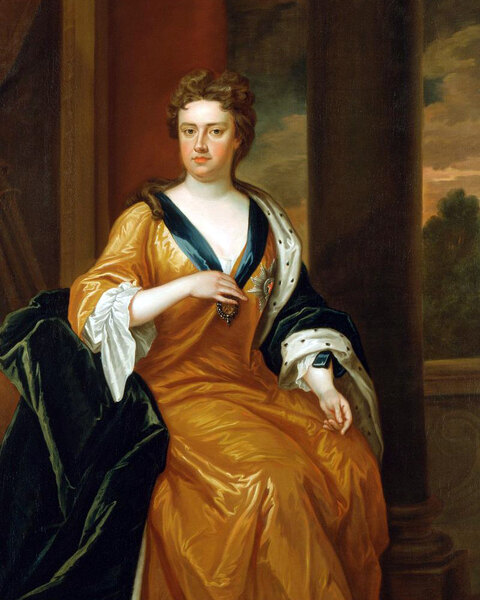
When Queen Anne died in 1714, George I became king as her nearest Protestant relative. The Jacobites supported the Stuart claim to the throne. After Bonnie Prince Charlie’s defeat at Culloden in 1746, clan chiefs lost power. In the Highland Clearances, landlords removed small farming communities to make room for sheep and cattle. Many displaced people emigrated to North America.
Rulers and ministers oldest first
- AnneUnion, 1707
- George I1714
- Walpolefirst Prime Minister, 1721
- Bonnie Prince CharlieCulloden, 1746
Colonies, wars and new arrivals
Thirteen British colonies in North America declared independence in 1776. Britain recognised American independence in 1783. The union with Ireland took effect in 1801, forming the United Kingdom of Great Britain and Ireland. Most of Ireland later left; Northern Ireland remained within the UK.
The American colonists objected to taxation without representation in the British Parliament. Thirteen colonies declared independence in 1776, and Britain recognised it in 1783 after losing the war. In Europe, the French Wars ended with Napoleon’s defeat at Waterloo in 1815. The Duke of Wellington, known as the Iron Duke, led British forces and later became Prime Minister. Nelson’s ship HMS Victory can be visited at Portsmouth; Nelson’s Column stands in London’s Trafalgar Square.
Admiral Horatio Nelson commanded the British fleet at the Battle of Trafalgar in 1805, defeating the French and Spanish fleets. Nelson was killed in the battle. Link the name Nelson with the naval battle Trafalgar and the year 1805.
Jewish people began settling in London again in 1656 after exclusion during the Middle Ages. Between about 1680 and 1720, many Huguenots arrived from France to escape persecution for their Protestant faith. They brought skills in science, banking, weaving and other crafts.
Sake Dean Mahomet came from India and opened the Hindoostane Coffee House in London in 1810, Britain’s first curry house. He and his wife also introduced Indian head massage, described as “shampooing”, to Britain. His story connects migration with food and business.
Industrial Revolution
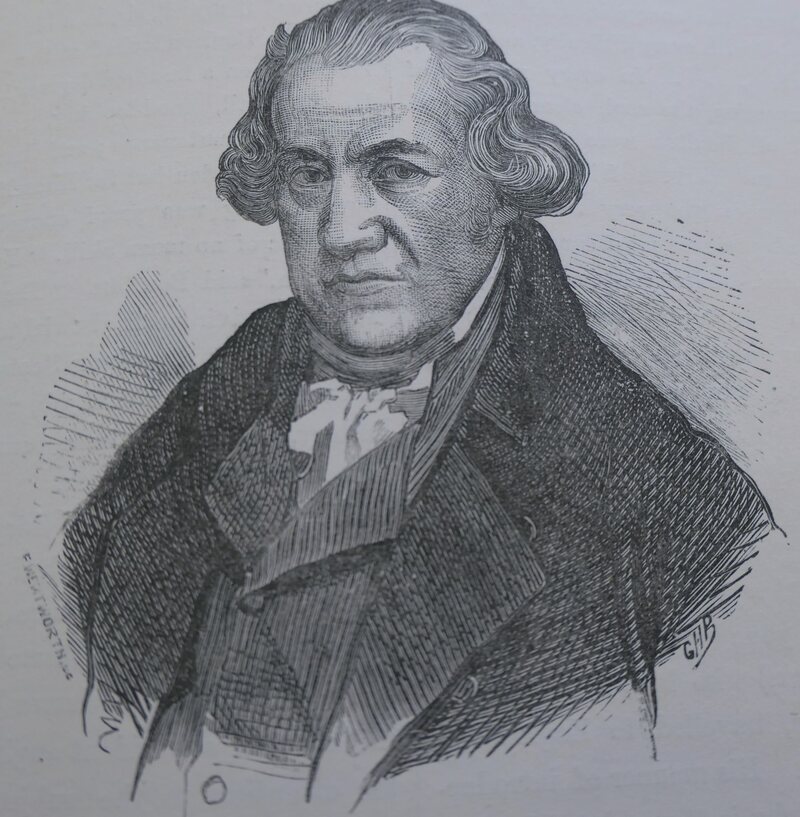
The changed production and transport. James Watt improved the steam engine, and Richard Arkwright developed machinery for textile production. Canals and railways moved goods and people; factories and growing towns changed where people lived and worked, often in difficult conditions. George and Robert Stephenson pioneered railway engines.
Britain industrialised on a large scale before other countries. Steam power and machinery replaced much home-based production, and coal supplied energy for factories. The Bessemer process made steel cheaper to produce in quantity, supporting railways and shipbuilding. Canals linked factories with towns and ports. Captain James Cook mapped Australia’s coast, while the East India Company expanded from trade into control of large parts of India.
James Watt improved steam engines. Richard Arkwright developed machinery for cotton spinning and helped establish factory production. Isambard Kingdom Brunel designed railways, bridges, tunnels, and ships. The growing use of machinery increased production but also brought crowded towns and harsh working conditions.
Richard Arkwright developed cotton-spinning machinery and helped organise production in factories. Before industrialisation, much manufacturing took place in homes and small workshops. Factories brought workers together around powered machinery. Production grew, but workers, including many women and children, often faced low pay, long hours and dangerous conditions. Industrial wealth did not mean good living standards for every family.
Dates to keep separate
Great Britain before the United Kingdom.
Memory tip: Great Britain = England, Scotland, Wales. Today’s UK also includes Northern Ireland.