The lesson
Authorised banks in Northern Ireland and Scotland issue their own sterling banknotes. These are valid currency across the UK, but shops and businesses are not obliged to accept them. Valid currency and “legal tender” are different concepts: Scottish and Northern Irish banknotes are not legal tender anywhere in the UK, including where they are issued.
The capitals are London (England), Edinburgh (Scotland), Cardiff (Wales), and Belfast (Northern Ireland). The UK has several languages: English is widely spoken, and Welsh, Scottish Gaelic, and Irish Gaelic are also used in their respective communities.
Recognise the flags
Northern Ireland has no separate current official national flag. The Union Flag is used officially. Neither the Ulster Banner nor St Patrick’s saltire is shown here as a current Northern Ireland national flag.
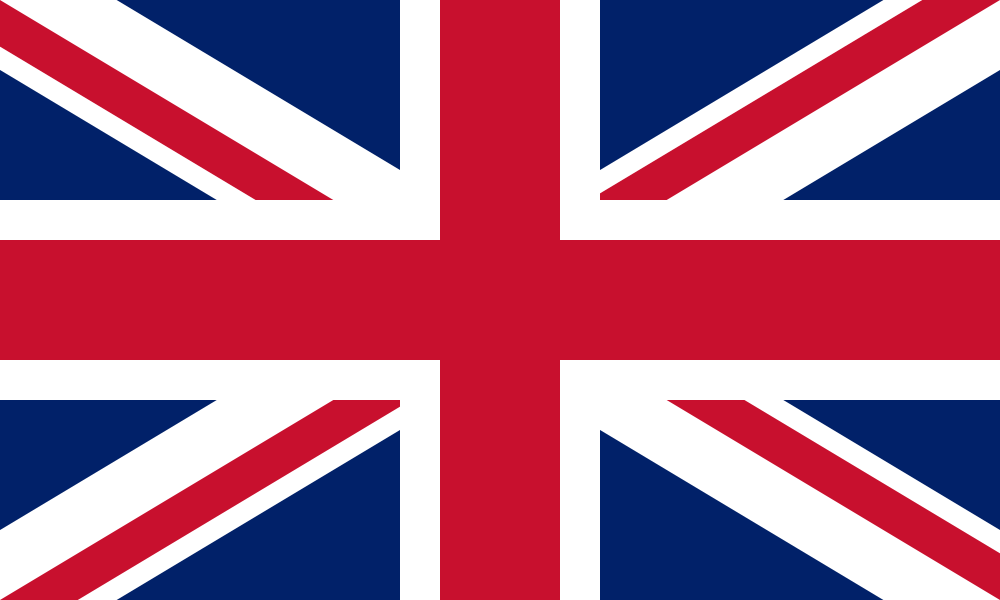
United Kingdom — the Union Flag. Its crosses are associated with St George, St Andrew and St Patrick; Wales has no separate cross in this design.
Union Flag · public domain · Wikimedia Commons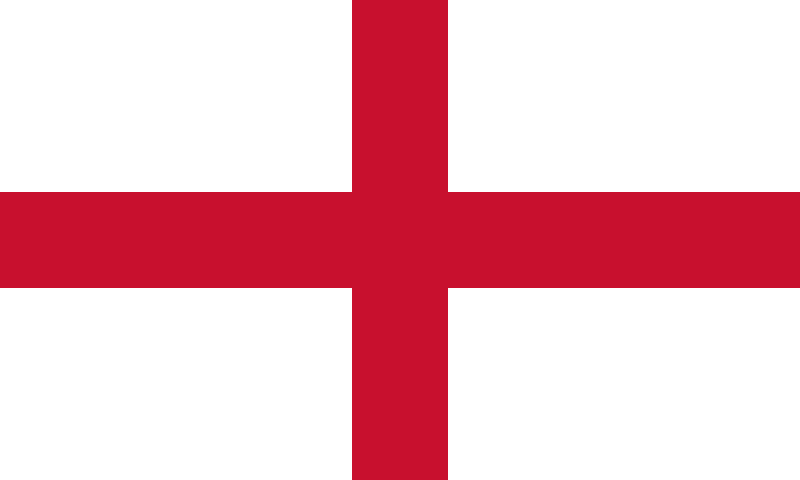
England — St George’s Cross.
Nicholas Shanks · public domain · Wikimedia Commons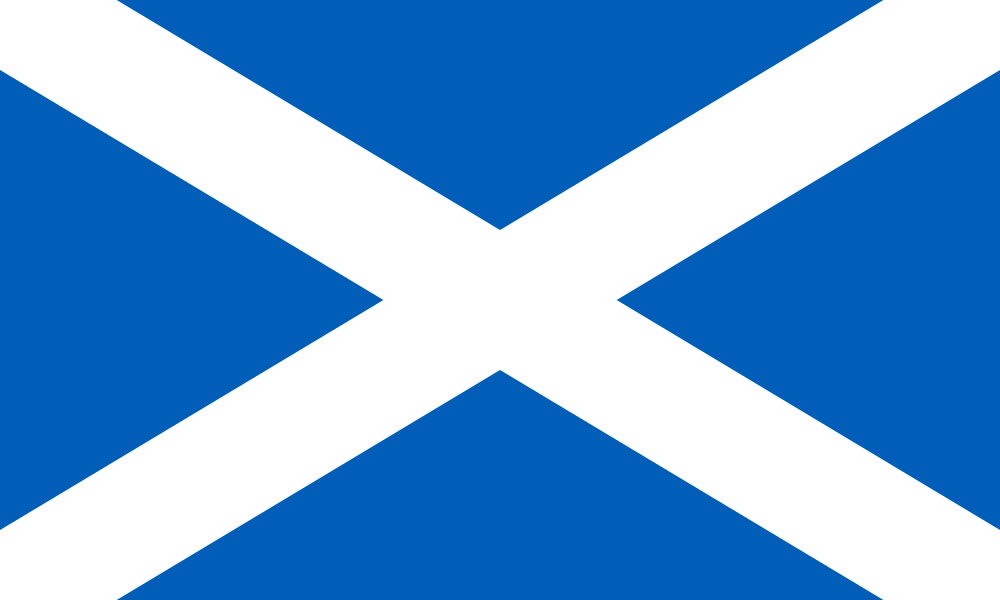
Scotland — St Andrew’s Cross, also called the Saltire.
Scottish Saltire · public domain · Wikimedia Commons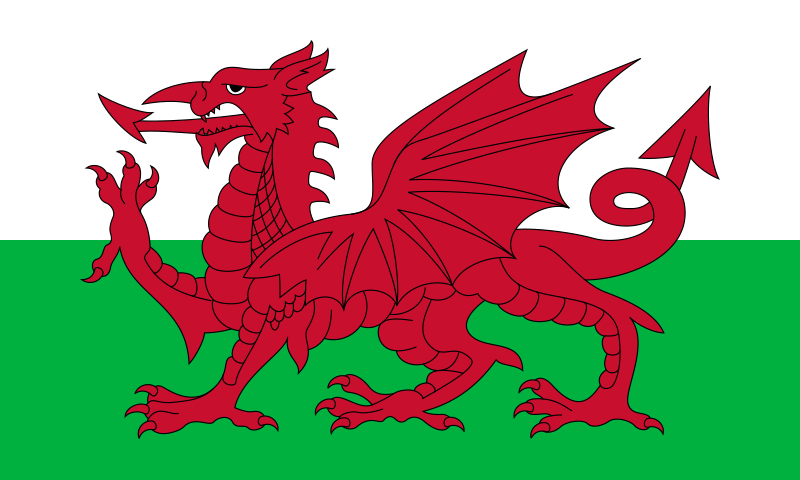
Wales — the Red Dragon (Y Ddraig Goch).
Tobias Jakobs / Open Clip Art Library · CC0 · Wikimedia CommonsConnect each capital with its country
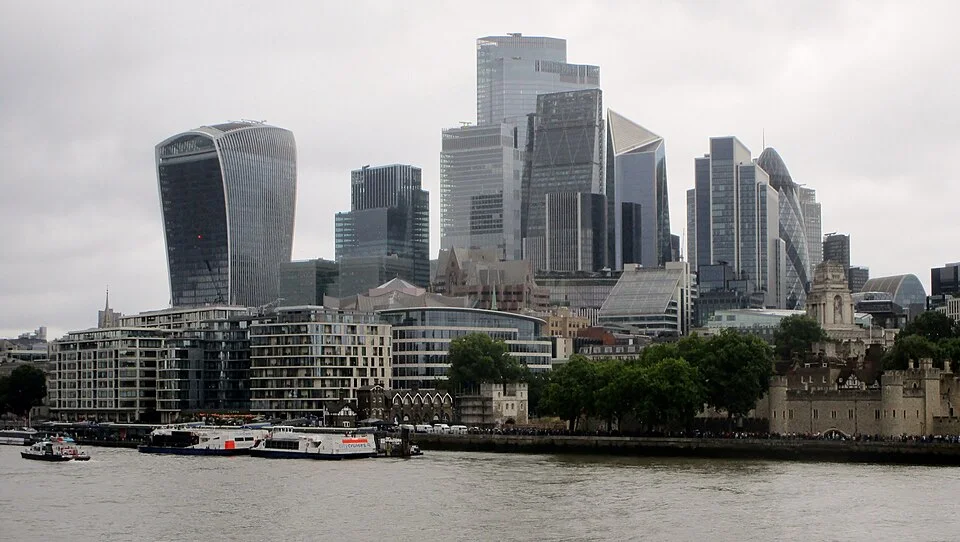
London — capital of England and of the United Kingdom. City skyline from the Queen’s Walk, 2025.
Andreas Wolf 01 · CC0 · Wikimedia Commons; resized
Edinburgh — capital of Scotland. Edinburgh Castle, photographed in August 2000.
Libasstref · CC0 · Wikimedia Commons; resized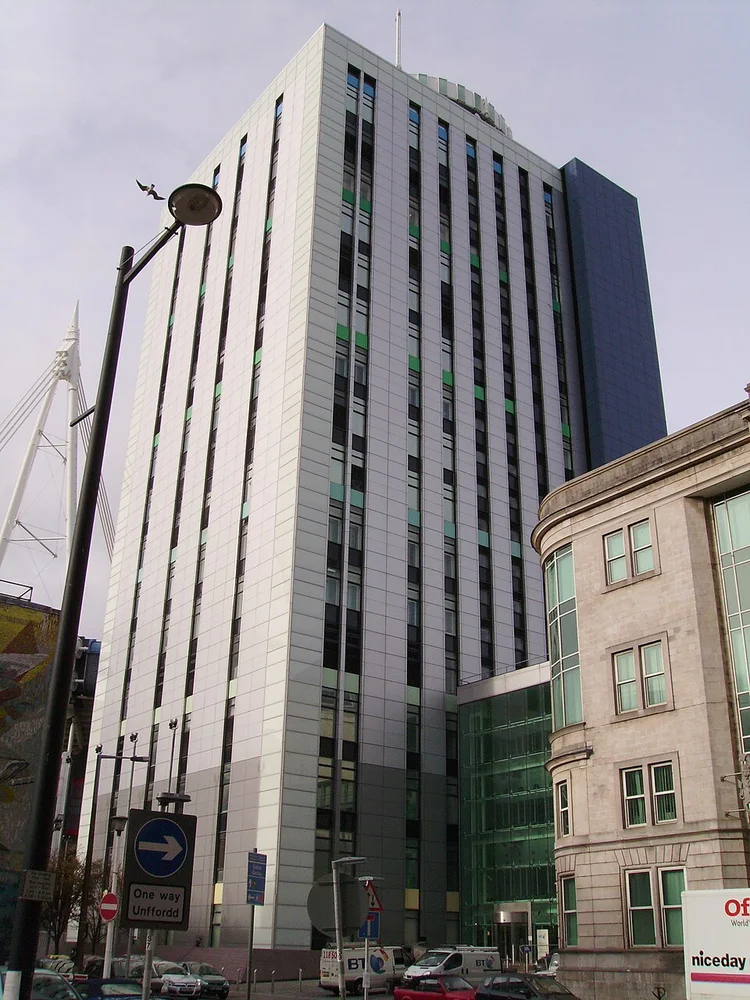
Cardiff — capital of Wales. Stadium House on Park Street, 2007.
Seth Whales · public domain · Wikimedia Commons; resized
Belfast — capital of Northern Ireland. City-centre street view, photographed in February 2025.
CAPTAIN RAJU · CC0 · Wikimedia Commons; resizedLocate the UK and its neighbours
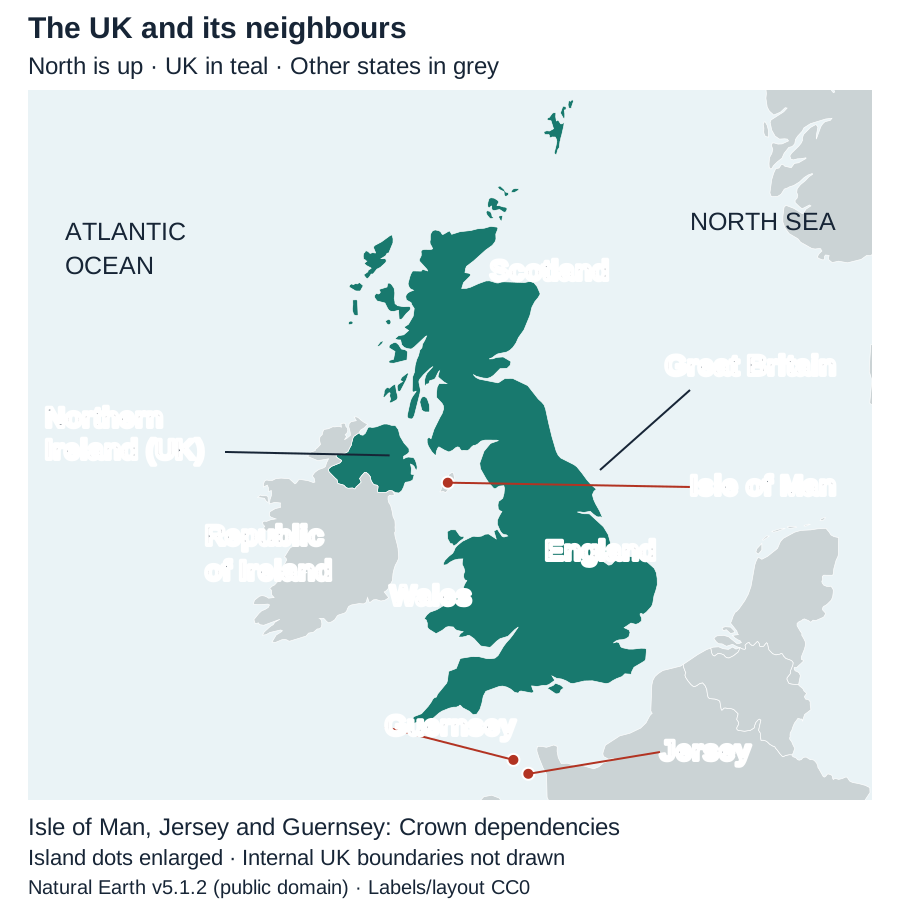
Great Britain is the island containing England, Scotland and Wales. Northern Ireland is on the island of Ireland; together the four countries form the UK (teal). The Republic of Ireland is a separate state (grey). The Isle of Man and Channel Islands are Crown dependencies outside the UK. Dots locate islands and are enlarged; internal UK country boundaries are not drawn.
Natural Earth · public domain · educational labels/layout CC0Welsh, Scottish Gaelic, and Irish Gaelic are distinct languages. Population totals change over time; current official statistics provide present-day figures.
The UK population was just over 67 million in mid-2021. This estimate belongs to 2021; consult ONS for current population estimates.
Pair each capital with its country: England → London; Scotland → Edinburgh; Wales → Cardiff; Northern Ireland → Belfast. Pair each national saint with the same country: George → England; Andrew → Scotland; David → Wales; Patrick → Ireland.
Patron saints and their days
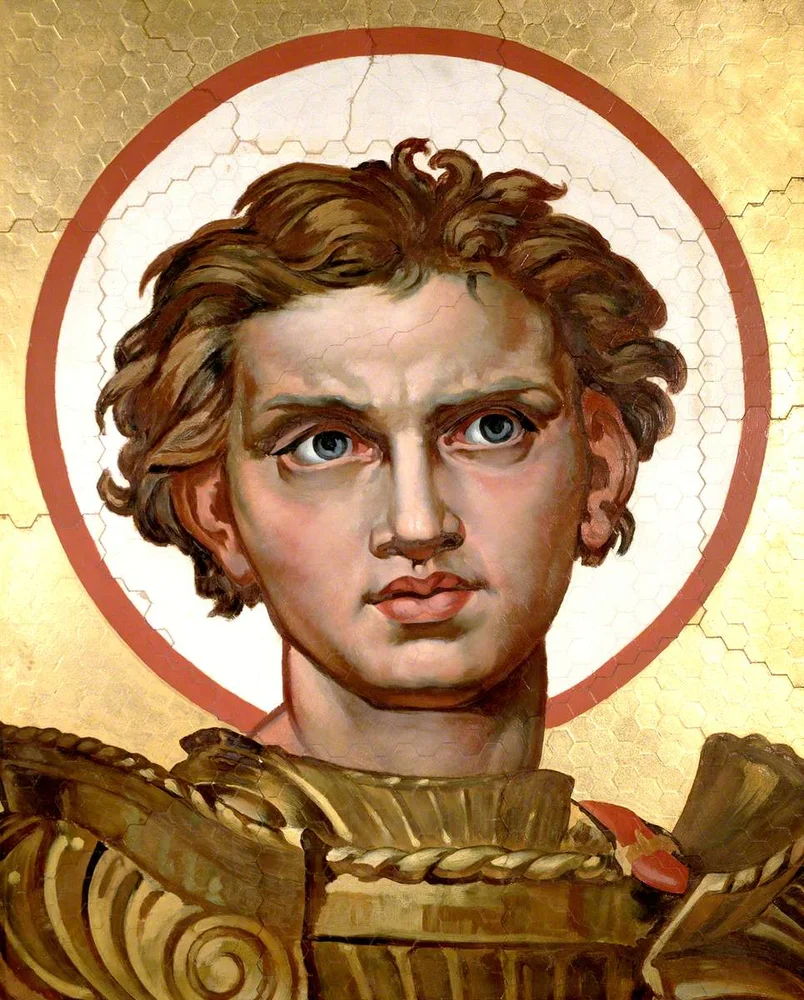
St George — England — 23 April. Artistic depiction, not an authentic likeness: Head of Saint George, a study for a mosaic.
E. J. Poynter · Parliamentary Art Collection, WOA 1986 · public domain; resized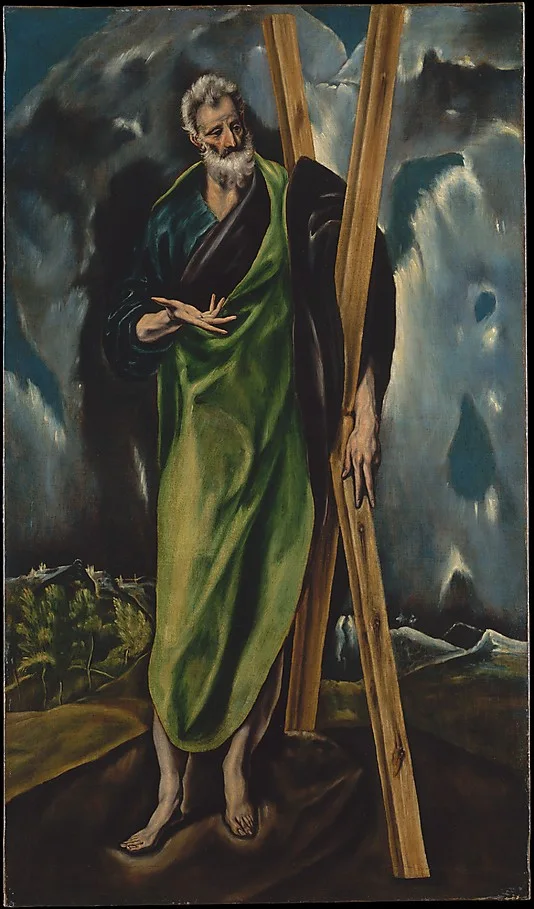
St Andrew — Scotland — 30 November. Artistic depiction, not an authentic likeness: Saint Andrew, workshop of El Greco, about 1610.
Workshop of El Greco · The Met, 61.101.8 · public domain; resized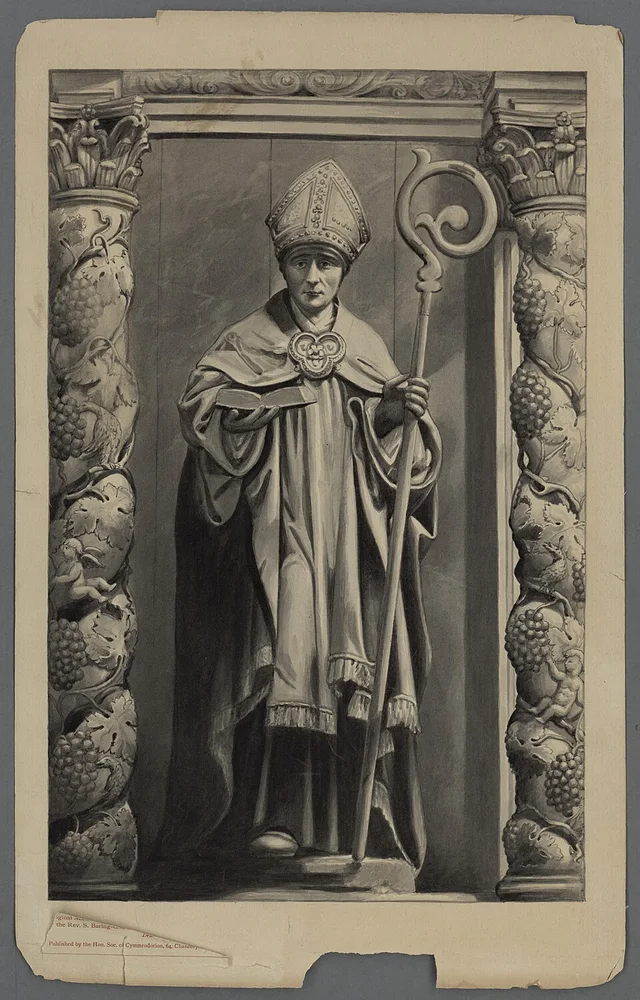
St David — Wales — 1 March. Historic artistic depiction, not an authentic likeness, from the National Library of Wales portrait archive.
Charles Head · National Library of Wales, 5292096 · public domain; resized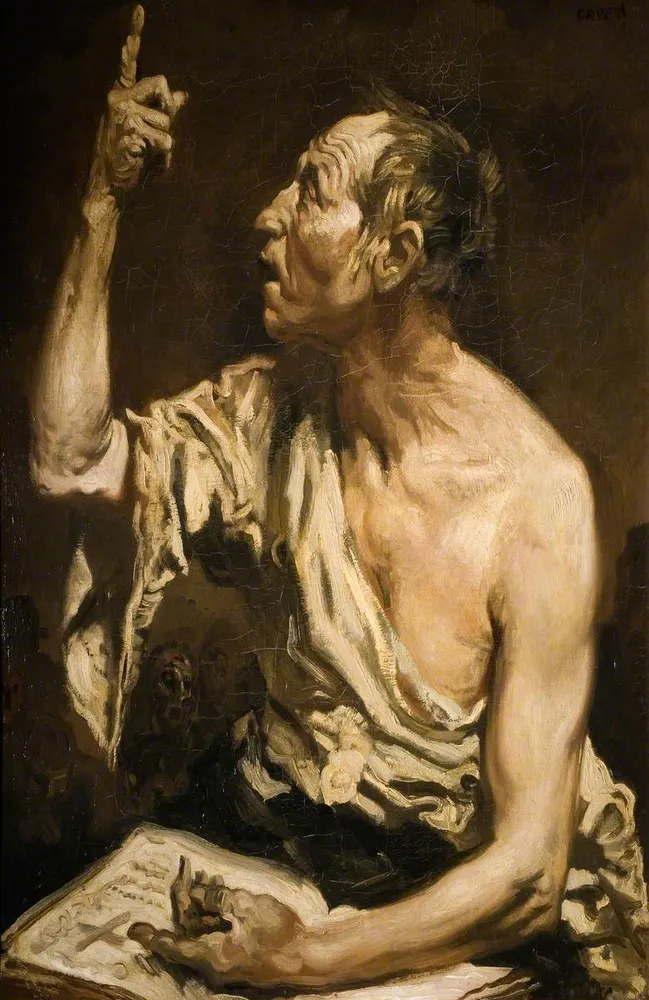
St Patrick — Northern Ireland and Ireland — 17 March. Artistic depiction, not an authentic likeness: St Patrick by William Orpen, 1905.
William Orpen · Potteries Museum & Art Gallery, 1936.FA.244 · public domain; resizedEnglish is widely used throughout the UK. Welsh is used in Wales; Scottish Gaelic is used in parts of Scotland; Irish and Ulster Scots are used in Northern Ireland. The Union Flag combines crosses associated with St George, St Andrew, and St Patrick. Wales is not represented by a separate cross in that design.
The UK is in north-west Europe. Its longest mainland journey runs from John O’Groats in northern Scotland to Land’s End in south-west England, about 870 miles or 1,400 kilometres. English cities include Birmingham, Liverpool, Leeds, Sheffield, Bristol, Manchester, Bradford, Newcastle upon Tyne, Plymouth, Southampton and Norwich, as well as London. Welsh cities include Cardiff, Swansea and Newport. Edinburgh, Glasgow, Dundee and Aberdeen are in Scotland; Belfast is in Northern Ireland.
The UK currency is the pound sterling, shown by £. One pound contains 100 pence. Coins are issued in values of 1p, 2p, 5p, 10p, 20p, 50p, £1 and £2. Common banknotes have values of £5, £10, £20 and £50. Scottish and Northern Irish banks also issue sterling notes, whose acceptance is a matter for the business.
Historical population estimates rise from just over 4 million in 1600 to 5 million in 1700, 8 million in 1801, 20 million in 1851, 40 million in 1901 and 50 million in 1951. Later figures are 57 million in 1998, just under 60 million in 2005, just over 62 million in 2010, just over 66 million for 2017 and just over 67 million for 2021. Learn each year together with its figure. These are rounded historical revision estimates, not current population totals. Early entries predate the modern UK; the figures must not be treated as an exact census series with unchanged national boundaries. Migration and longer life expectancy contributed to growth.
England contains the largest share of the UK population, and most people live in towns and cities. Longer life expectancy reflects improved living standards and healthcare. A growing number of older people increases the cost of pensions and health services. The historical approximate population shares are England about 84%, Scotland just over 8%, Wales about 5% and Northern Ireland under 3%. These rounded revision figures are not a current statistical release.