The lesson
Hogmanay is the Scottish name for New Year’s Eve, on 31 December. Christmas Day is 25 December and Boxing Day is 26 December. New Year’s Day is 1 January.
Christmas and Easter are Christian festivals and public holidays. Diwali, Eid, Hanukkah, and Vaisakhi are also celebrated in the UK. Some religious festivals follow lunar calendars, so their dates change from year to year.
Bonfire Night recalls the failed Gunpowder Plot of 1605. Remembrance Day is observed on 11 November to remember people who died in wars. Other customs include Halloween and April Fool’s Day; local and national traditions differ across the UK.
On Remembrance Sunday, the King leads the national commemoration at the Cenotaph in Whitehall, London. The Cenotaph was designed by Sir Edwin Lutyens. Remembrance Sunday falls on the second Sunday in November; Remembrance Day is 11 November.
The national saints’ days are St David’s Day for Wales on 1 March; St Patrick’s Day for Ireland and Northern Ireland on 17 March; St George’s Day for England on 23 April; and St Andrew’s Day for Scotland on 30 November. Burns Night is 25 January and is not St Andrew’s Day.
Patron saints and their days
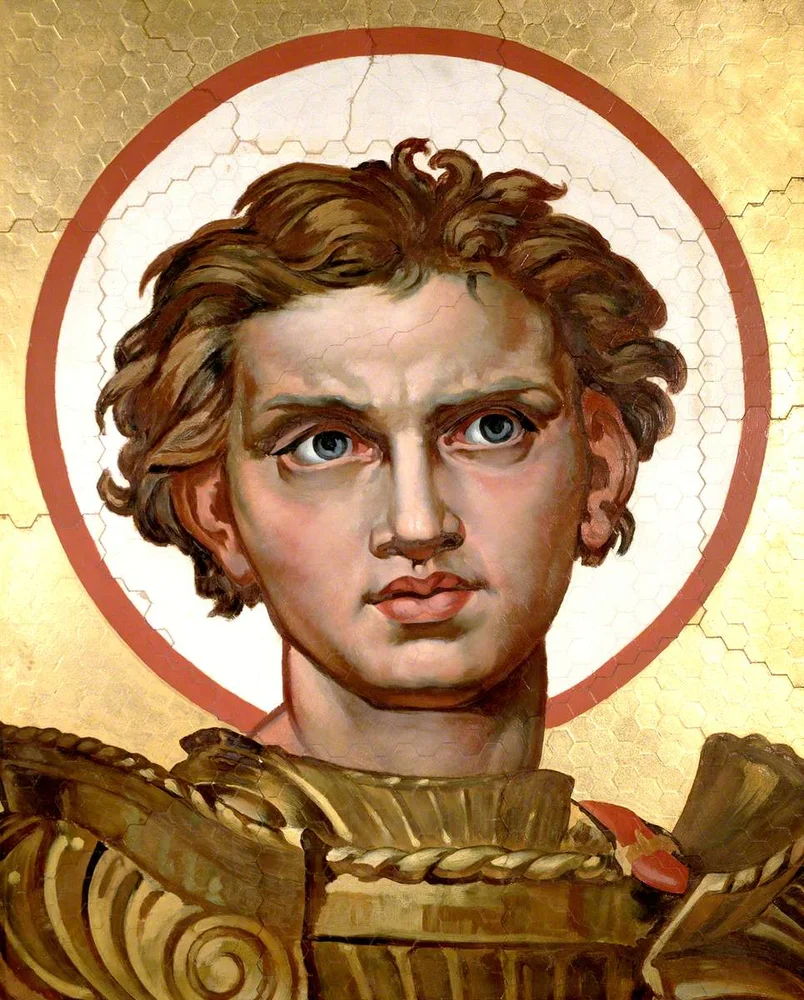
St George — England — 23 April. Artistic depiction, not an authentic likeness: Head of Saint George, a study for a mosaic.
E. J. Poynter · Parliamentary Art Collection, WOA 1986 · public domain; resized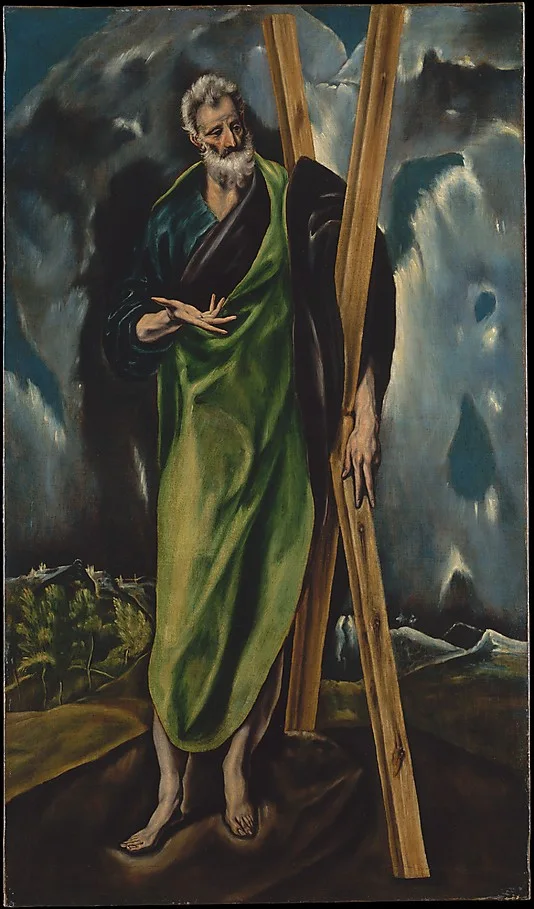
St Andrew — Scotland — 30 November. Artistic depiction, not an authentic likeness: Saint Andrew, workshop of El Greco, about 1610.
Workshop of El Greco · The Met, 61.101.8 · public domain; resized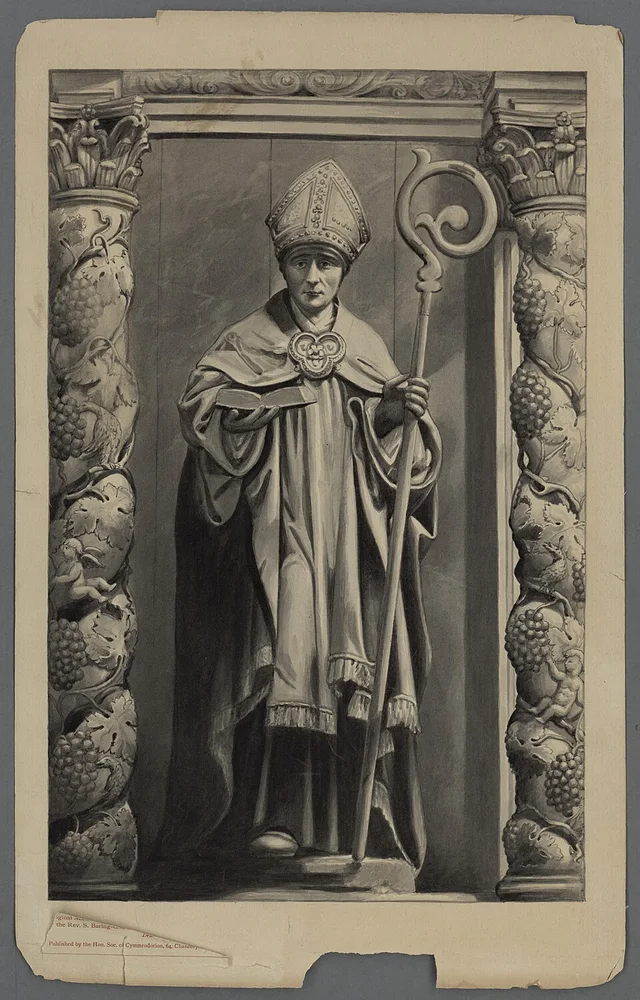
St David — Wales — 1 March. Historic artistic depiction, not an authentic likeness, from the National Library of Wales portrait archive.
Charles Head · National Library of Wales, 5292096 · public domain; resized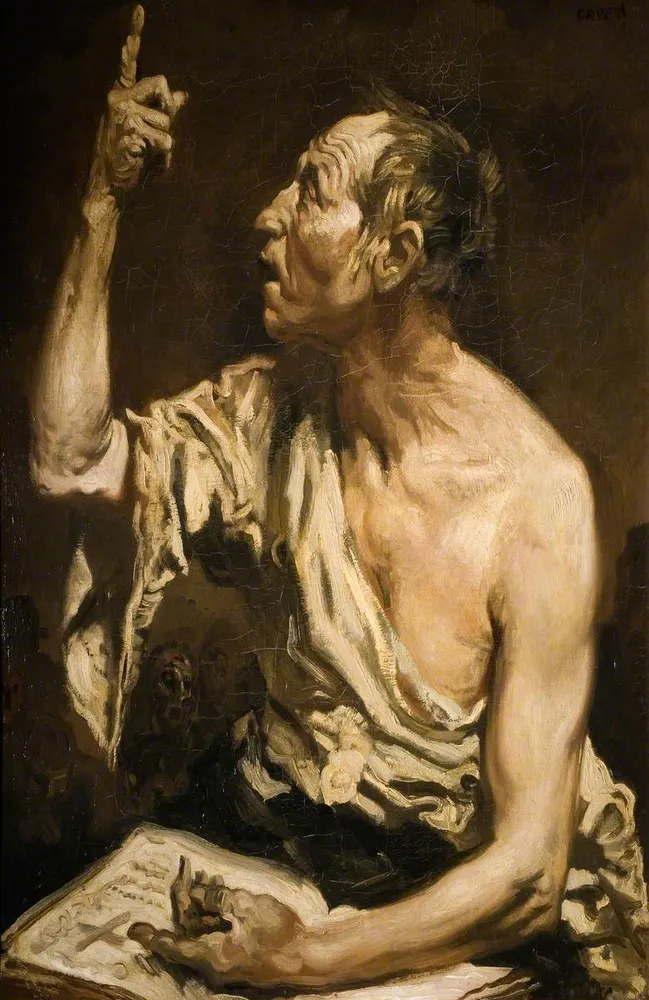
St Patrick — Northern Ireland and Ireland — 17 March. Artistic depiction, not an authentic likeness: St Patrick by William Orpen, 1905.
William Orpen · Potteries Museum & Art Gallery, 1936.FA.244 · public domain; resizedChristmas Day is 25 December and Boxing Day is 26 December. Easter celebrates the Christian belief in the resurrection of Jesus and falls on different dates each year. Good Friday is the Friday before Easter Sunday. Hogmanay is the Scottish celebration of New Year’s Eve.
Bonfire Night, 5 November, remembers the failed Gunpowder Plot of 1605. Remembrance Day, 11 November, commemorates those who died in war; Remembrance Sunday is the second Sunday in November. These are different from the national saints’ days.
Other religious festivals celebrated in the UK include Diwali, Hanukkah, Eid al-Fitr, Eid al-Adha, and Vaisakhi. The calendar dates of some festivals change each year. A bank holiday is a public holiday, but bank-holiday arrangements are not identical across all four UK countries.
Lent is the forty-day period of preparation for Easter, traditionally involving fasting or giving something up. Shrove Tuesday, also called Pancake Day, comes before Lent; pancakes used up eggs, milk and fat. Lent begins on Ash Wednesday. Good Friday marks Jesus’s death and Easter Sunday his resurrection. Easter falls in March or April.
Diwali is celebrated by Hindus and Sikhs, usually in October or November. It lasts five days and celebrates good overcoming evil and the gaining of knowledge. Leicester has a well-known Diwali celebration. Hanukkah is an eight-day Jewish festival, usually in November or December, remembering the struggle for religious freedom and the story of oil lasting eight days.
Eid al-Fitr marks the end of Ramadan’s month of fasting. Eid al-Adha recalls Ibrahim’s willingness to sacrifice his son in obedience to God. Their dates move through the calendar. Vaisakhi celebrates the founding of the Sikh Khalsa community and is marked with parades, music and dancing, commonly around 14 April.
Valentine’s Day on 14 February is associated with cards and gifts between lovers. April Fool’s jokes are traditionally played before midday on 1 April. Mothering Sunday falls three weeks before Easter; Father’s Day is the third Sunday in June. Halloween on 31 October has roots in a festival marking winter’s beginning; costumes, trick-or-treating and pumpkin lanterns are common customs.
Poppies recall flowers on First World War battlefields and are worn in remembrance. A two-minute silence is observed at 11am on 11 November. New Year’s Day is a public holiday; Scotland also has a holiday on 2 January. Other bank holidays fall in May and August, with dates varying across the UK. Northern Ireland also has a July holiday commemorating the Battle of the Boyne.
Christmas marks the birth of Jesus in the Christian tradition and is also celebrated by many people as a family and secular holiday. Christmas Eve is 24 December, Christmas Day 25 December and Boxing Day 26 December. Presents, Father Christmas, decorated trees and a roast dinner are familiar customs. The Christmas tree became particularly fashionable in Victorian Britain during the 1840s through its association with Queen Victoria and Prince Albert.